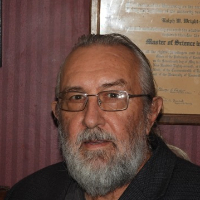
About Ralph
Ralph Murphy offers a straightforward, people-focused approach rooted in client-centered work. He is a Licensed Clinical Social Worker, LCSW, based in North Carolina with three decades of clinical experience. Ralph uses clear conversation and practical steps to help people manage stress, anxiety, depression, and grief.
He also works with issues like trauma, addiction, parenting strain, and relationship challenges. Ralph draws on cognitive behavioral and solution-focused ideas to shape sessions. That means he helps clients notice unhelpful thoughts, test new ways of responding, and set small, doable goals.
Background and approach
He also uses existential themes to talk about meaning, values, and choices when those topics matter. His background includes a Master of Divinity (MDiv) and a Master of Science in Social Work (MSSW). He lists membership in the Academy of Certified Social Workers.
Over thirty years he has worked in a range of clinical settings supporting people through substance use and trauma-related concerns. Sessions emphasize listening, practical planning, and building on strengths. Ralph encourages people to tell their own story and to set clear life goals.
He frames progress as gradual steps and measurable changes rather than quick fixes. People can expect a calm, respectful tone and a focus on real-world problem solving. Ralph supports clients who want to reduce symptoms and create routines that fit their life.
He can help with adoption and foster care issues, autism-related concerns, men’s issues, and other focused topics.
Approaches that guide online sessions
Client-centered therapy rests on listening and putting the client's priorities first. The therapist follows the person’s lead, reflects what matters, and helps identify goals that feel meaningful. This approach is useful for people who want a supportive space to sort out feelings and decide next steps.Cognitive behavioral therapy, or CBT, focuses on the links between thoughts, feelings, and behavior. In sessions the therapist helps people notice unhelpful thinking patterns, try small experiments, and build new habits to reduce anxiety or depression. CBT works well for practical problems like sleep, panic, or low mood.
Solution-focused methods concentrate on concrete goals and quick, doable changes. Sessions often identify what already helps and expand those strengths into daily routines and plans. This style pairs well with coaching around parenting stress, recovery steps, and setting clearer boundaries.
Finding the right mix of approaches is part of the work. The therapist will collaborate with each person to choose methods that match goals, needs, and comfort level. That means adjusting techniques as progress is made and keeping the plan practical and achievable.
Online formats make it easier to fit therapy into busy lives. Video calls let people keep visual connection for deeper conversation, while phone sessions reduce bandwidth needs. Live chat and text-based messaging allow quick check-ins, brief reflections, or ongoing support between sessions. These options add flexibility so therapy can match changing schedules and day-to-day demands.
Frequently asked questions
What concerns does Ralph commonly address?
What is Ralph's therapeutic style like?
How much experience does he have?
What credentials and location are listed?
Which languages are supported and can he see international clients?
What session formats are available?
How does payment and cost work?
How do I begin working with him?
Specialties and expertise
Top specialties
- Stress, Anxiety
- Family conflicts
- Trauma and abuse
Also works with
- Addictions
- Adoption and foster care
- Anger management
- Autism and Asperger Syndrome
- Coaching
- Depression
- Drug and alcohol addiction
- Family problems
- Grief
- Guilt and shame
- LGBT
- Men's issues
- Parenting issues
- Post-traumatic stress
- Relationship issues
- Self-harm
Therapeutic approaches
- Experience
- 30 years
- Licensed
- North Carolina
- Languages
- English