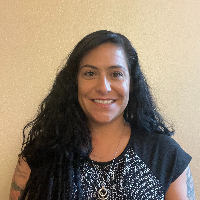
About Rachel
Rachel Williams is a licensed clinical social worker (LCSW) practicing in Utah. She brings three years of direct clinical experience helping people manage stress, anxiety, depression, and life transitions. Rachel focuses on practical support and clear steps people can use between sessions.
Her approach centers on understanding each person’s history and relationships. She pays attention to attachment issues, family of origin patterns, and how those shape current habits. Sessions often include plain conversation about what’s happening now and small, doable changes to try at home.
Background and approach
Rachel also supports people coping with trauma, grief, and substance concerns. She uses methods that blend talking through moments of distress with focused tools for changing thoughts and behaviors. Mindfulness practices and emotion-focused work are used to help people feel steadier day to day.
For parents and those navigating intimacy or identity questions, Rachel offers a calm space to sort priorities and set boundaries. She helps with communication problems, codependency, and rebuilding self-worth after difficult experiences. Her background includes a range of life and work settings that shape how she connects with people.
Rachel emphasizes collaboration and plain language. Clients leave sessions with clear next steps and practical strategies to try between meetings.
How attachment, CBT, and mindfulness translate online
Attachment-based work looks at how early relationships shape current patterns. Online sessions focus on noticing those patterns in everyday life and trying new ways of relating that feel safer and clearer. Cognitive Behavioral Therapy, or CBT, breaks problems into thoughts, feelings, and actions and teaches simple experiments to change how they interact. It can help with anxiety, depression, and unhelpful habits by giving step-by-step tools. Mindfulness therapy teaches short practices for paying attention to the present moment and easing reactivity; it is useful for stress, emotional overwhelm, and grounding after difficult events.Finding the right approach is part of the work. Rachel will talk with each person about goals and preferences, then suggest methods to try. This is a collaborative process and adjustments are made based on what helps most in real life.
Online therapy offers practical flexibility. Video calls let the therapist and client work face to face from different locations. Phone sessions work when a quieter setting or lower bandwidth is needed. Live chat and text-based messaging can fit brief check-ins, on-the-go support, or times when typing feels easier than speaking. These options make it simpler to keep therapy consistent around work, parenting, or travel.
Frequently asked questions
What kinds of concerns does this therapist address?
How would you describe the therapeutic style?
What is her clinical background?
Where is this therapist licensed and based?
Can I work with her if I live in another country?
What session formats are available?
How are costs handled?
What do I need to do to begin?
Specialties and expertise
Top specialties
- Stress, Anxiety
- Parenting issues
- Self esteem
Also works with
Therapeutic approaches
- Experience
- 3 years
- Licensed
- Utah
- Languages
- English