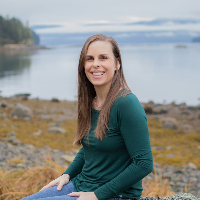
About Rachael
Rachael Woods is a clinician who helps people manage stress, anxiety, mood problems, grief, and substance use concerns. She speaks English and Spanish and brings a calm, straightforward style to sessions. Rachael practices from Alaska and draws on more than two decades of experience as a Licensed Clinical Social Worker, LCSW.
She focuses on listening without judgment and helping individuals identify what matters most to them. Sessions are practical and goal-oriented, with time spent on skills that can be used between meetings.
Background and approach
Rachael adapts her approach to each person rather than following a single script. Rachael uses client-centered methods to keep conversations grounded in the client’s priorities. She also works with Cognitive Behavioral Therapy ideas to spot patterns in thoughts and actions that add to stress and low mood.
For trauma-related concerns she includes EMDR strategies among other trauma-focused tools. Over 24 years she has worked with people facing addiction, self-harm, sleep problems, ADHD, and relationship or family challenges. She also supports people dealing with grief, eating concerns, anger, and compassion fatigue.
Her background includes work with adoption and foster care issues and mood disorders such as seasonal affective disorder. Sessions can include motivation-focused conversations to build change, or solution-focused steps for immediate problems. Rachael explains options clearly so clients can choose what fits their goals and lifestyle.
She aims to make starting therapy feel manageable and practical.
How Rachael’s approaches work well online
Rachael draws on client-centered work to keep sessions focused on what the person needs. That approach means the therapist follows your priorities, asks open questions, and helps you set goals that matter to you. Cognitive Behavioral Therapy, or CBT, is used to spot unhelpful thoughts and habits and replace them with clearer, more helpful patterns; it is useful for anxiety, mood issues, and panic symptoms.She also uses EMDR methods for people who have trauma-related memories that continue to cause distress. EMDR involves structured processing of those memories with specific techniques aimed at reducing their intensity and the emotional charge they carry. Together these methods give options for both immediate coping and deeper processing of difficult events.
Finding the right approach is part of the work. The therapist will talk with clients about goals, preferences, and what has or hasn’t helped in the past. That conversation guides whether sessions emphasize short-term solutions, skills practice, motivation for change, or trauma-focused work, and it is decided together.
Online therapy here is offered by licensed professionals using video calls, phone sessions, live chat, and text-based messaging. Video is useful when visual cues help the conversation, phone can be easier when bandwidth is limited, and messaging works well for short check-ins or people who prefer written communication. These options make it easier to fit therapy into a busy life and to continue work between sessions.
Frequently asked questions
What concerns does Rachael address?
What is her therapeutic style like?
How much experience does she have?
What are her credentials and where is she based?
Which languages are supported?
What session formats are available?
How is cost handled?
How do I begin working with her?
Specialties and expertise
Top specialties
Also works with
- ADHD
- Adoption and foster care
- Anger management
- Compassion fatigue
- Depression
- Drug and alcohol addiction
- Eating disorders
- Family conflicts
- Family problems
- Grief
- LGBT
- Mood disorders
- Panic disorder and panic attacks
- Post-traumatic stress
- Relationship issues
- Seasonal Affective Disorder (SAD)
- Self esteem
- Self-harm
- Sleeping disorders
- Smoking / vaping cessation
- Social anxiety and phobia
- Young adult issues
Therapeutic approaches
- Experience
- 24 years
- Licensed
- Alaska
- Languages
- English, Spanish