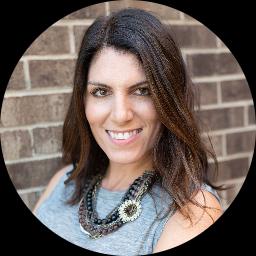
About Paula
Paula Grande is a licensed clinical social worker in New Jersey who uses a caring, person-focused style to help people manage stress, anxiety, relationship strain, and depression. She writes and speaks plainly so clients can quickly know what to expect in a session. Paula emphasizes respect, sensitivity, and steady support as people work toward clearer goals and better day-to-day functioning.
Paula adapts conversations and plans to fit each person’s needs.
Background and approach
She combines client-centered listening with practical tools from cognitive behavioral approaches and motivational interviewing. That helps people notice unhelpful thoughts, try small changes, and stay motivated through setbacks. Her background includes four years of clinical practice in New Jersey.
During that time she has supported people facing life shifts, mood concerns, and struggles tied to identity and relationships. She also helps people who experience isolation, guilt, control issues, and difficulties communicating with others. In sessions Paula addresses topics such as attachment and abandonment concerns, blended family challenges, caregiver stress, and divorce or separation.
She works with people dealing with codependency, forgiveness, and questions about life purpose or midlife change. Paula offers a straightforward approach. Sessions focus on listening, clear goals, and practical steps to try between meetings.
She aims to create a calm space for honest conversation about what’s getting in the way and how to move forward.
How Paula’s Approaches Work Online
Client-centered therapy focuses on listening and understanding. The therapist follows the person’s lead, reflects what they say, and helps them clarify goals and values. This approach is useful for building trust and for people who want a collaborative, respectful space to talk.Cognitive Behavioral Therapy, or CBT, looks at how thoughts, feelings, and actions connect. It uses simple exercises to identify unhelpful thought patterns and try different behaviors. This can help with anxiety, mood changes, and everyday stress by giving clear steps to practice between sessions.
Paula will work with each person to find which approach makes the most sense. Figuring out the right style is part of the early sessions, and she uses client feedback to adjust goals and tools as therapy progresses. This is a collaborative process that centers on the person's needs and preferences.
Online therapy offers practical flexibility. Video calls allow face-to-face conversation when visual cues help. Phone sessions can be easier when internet bandwidth is low or for quick check-ins. Live chat and text-based messaging are useful for shorter updates, day-to-day coping, or when written reflection feels more comfortable. These options make it easier to fit sessions into work, caregiving, or busy schedules.
Frequently asked questions
What concerns does this therapist address?
How would you describe her therapeutic style?
What is her professional background?
What credentials and location are listed?
In what languages are sessions offered?
Which session formats are available?
How are sessions paid for and what does it cost?
What should I do to start therapy?
Specialties and expertise
Top specialties
- Stress, Anxiety
- LGBT
- Relationship issues
Also works with
- Abandonment
- Attachment issues
- Blended family issues
- Caregiver issues and stress
- Codependency
- Communication problems
- Control issues
- Coping with life changes
- Depression
- Divorce and separation
- Family problems
- Forgiveness
- Guilt and shame
- Isolation / loneliness
- Life purpose
- Midlife crisis
- Mood disorders
- Post-traumatic stress
- Self-love
- Sexuality
- Women's issues
- Workplace issues
Therapeutic approaches
- Experience
- 4 years
- Licensed
- New Jersey
- Languages
- English