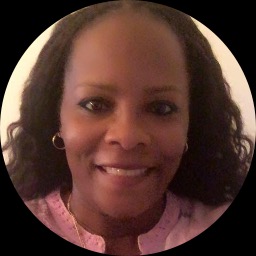
About Olivett
Dr. Olivett Underwood-Mobley is a licensed clinical social worker in Florida with 33 years of experience. She helps people facing relationship strain, family conflict, trauma and abuse, grief, and depression.
Her work also includes support around first responder stress, HIV/AIDS concerns, hospice and end-of-life counseling, and issues such as infidelity and jealousy. She creates a calm, respectful space where clients can speak openly. Conversations are straightforward and held without judgment.
Background and approach
The aim is to help people name what hurts and find practical next steps. Sessions focus on what is happening now and what can change. She listens to the story and helps shape ways to cope and move forward.
When trauma or grief are involved, she attends to safety and pacing so people feel steady enough to continue. Her approach takes cultural differences and discrimination into account. She pays attention to how prejudice and identity affect relationships and emotional pain.
This can make therapy feel more relevant to everyday life. Many clients come to work through painful events, repair trust, or manage ongoing stress from demanding jobs. Taking the first step can be hard, and she acknowledges the courage that brings people to therapy.
She supports clients as they try out new ways of communicating and living.
Therapeutic approaches and online sessions that fit your life
Dr. Underwood-Mobley uses evidence-based techniques that aim to reduce symptoms and strengthen coping. One common approach helps people process traumatic experiences at a steady pace so memories feel less overwhelming and daily life becomes more manageable. Another focuses on grief and loss, giving space to remember and rebuild routines while honoring what was lost. These methods are practical and aimed at helping people change how they respond to painful memories and emotions.Choosing the right approach happens together. The therapist listens to your story, discusses options, and recommends a path based on your goals and comfort level. This makes therapy a collaborative effort where methods can shift as needs change.
Online sessions use video calls, phone, live chat, or text messaging to make therapy fit into busy schedules. Video is useful for longer conversations and visual connection, while phone calls can work when bandwidth is limited. Live chat and text are helpful for brief check-ins or when typing feels easier than talking. These options let people continue care from different locations and at different times while keeping the focus on practical progress.
Frequently asked questions
What kinds of problems does she help with?
How would you describe her therapy style?
What is her background and experience?
What credentials and location are listed?
Which languages does she use in sessions?
Can people outside the United States work with her?
What session formats are available?
How does pricing and getting started work?
Specialties and expertise
Top specialties
- Relationship issues
- Family conflicts
- Trauma and abuse
Also works with
- Experience
- 33 years
- Licensed
- Florida
- Languages
- English