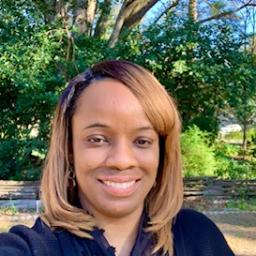
About Nakeshia
Nakeshia McGruder is a licensed clinical social worker practicing in Florida. She brings ten years of experience helping people through stress, anxiety, grief, and major life changes. Nakeshia uses straightforward, practical methods so clients know what to expect each week.
Her work often focuses on building coping skills and stronger self-esteem. She helps people manage anger, depression, and the strain that can come with caregiving or workplace pressure. Nakeshia also supports those facing addiction, compassion fatigue, and challenges tied to aging or isolation.
Background and approach
Nakeshia blends client-centered conversations with tools from cognitive behavioral approaches. She uses mindfulness practices and motivational interviewing to clarify goals and keep progress moving. Solution-focused techniques help when someone needs short-term, concrete steps to feel better quickly.
Sessions tend to be collaborative and goal oriented. She listens closely, reflects what she hears, and offers exercises or small homework to try between meetings. The aim is steady, manageable change instead of fast fixes.
People who connect with her style often want clear strategies and a compassionate listener. She works with adults navigating career issues, young adult transitions, women’s concerns, and social anxiety. Nakeshia keeps language simple and focuses on what will help in everyday life.
How therapeutic approaches work online
Client-Centered Therapy focuses on listening and understanding a person's experience. Online sessions use open conversation to identify what matters most and shape goals around the client's priorities. This approach is useful for improving self-esteem and coping with life changes.Cognitive Behavioral Therapy, or CBT, helps people notice unhelpful thoughts and change behaviors that keep problems going. Through video or text, the therapist and client break issues into small steps and practice new skills between sessions. CBT is often chosen for anxiety, stress, and depression.
Finding the right approach is part of the work. The therapist will talk with the client about their needs, goals, and preferences and then try methods that fit. Decisions are collaborative and can change as progress is made.
Online therapy offers many practical benefits. Video calls let a person use facial cues and longer conversation, phone sessions work well when bandwidth is limited, and live chat or text-based messaging can be used for quick check-ins or shorter sessions. These options make it easier to fit therapy into a busy life and keep continuity when schedules change.
Frequently asked questions
What concerns does she help with?
What is her therapeutic style like?
How much clinical experience does she have?
What credentials and location are listed?
Which languages are sessions offered in?
What session formats are available?
How is cost handled?
How do I get started with therapy?
Specialties and expertise
Top specialties
Also works with
- Addictions
- Aging and geriatric issues
- Anger management
- Career difficulties
- Caregiver issues and stress
- Coaching
- Compassion fatigue
- Coping with life changes
- Depression
- Family conflicts
- Guilt and shame
- Isolation / loneliness
- Self-love
- Social anxiety and phobia
- Women's issues
- Workplace issues
- Young adult issues
Therapeutic approaches
- Experience
- 10 years
- Licensed
- Florida
- Languages
- English