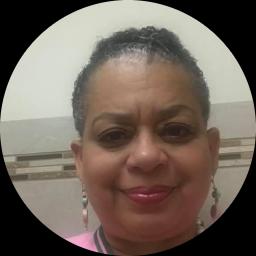
About Michelle
Michelle Wong is a licensed clinical social worker who helps people facing stress, anxiety, depression, and relationship challenges. She focuses on practical steps families and individuals can use to feel steadier and more hopeful. Michelle works in Illinois and brings six years of clinical experience to each conversation.
She emphasizes clear, everyday language in sessions. Michelle pays attention to how culture, life stage, and gender shape feelings. She often supports people dealing with trauma, attachment wounds, and self-esteem struggles.
Background and approach
Sessions are aimed at reducing overwhelm and building skills that fit day-to-day life. Michelle offers help for concerns that include abandonment fears, social anxiety, codependency, and issues tied to caregiving and aging. She also works with people coping with family of origin problems, dissociation, and end-of-life stress.
Her practice includes focus on life purpose, midlife shifts, and women’s issues. Her style is compassionate and culturally aware. Michelle combines evidence-based therapeutic techniques with attention to each person’s background and needs.
Conversations are used to clarify goals, practice new ways of relating, and try small changes between sessions. People who choose Michelle usually want a down-to-earth therapist who listens and gives usable tools. She supports clients as they work through difficult emotions and build more satisfying daily routines.
Michelle helps people reconnect to values, regain calm, and move forward with clearer choices.
How evidence-based therapy works online
Michelle often draws on widely used evidence-based techniques that focus on feelings, thoughts, and behavior. One approach helps people identify patterns that increase anxiety or low mood and then practices small, practical changes to break those cycles. This method is useful for stress, depression, and social anxiety.Another common approach focuses on attachment and relationship patterns. Sessions look at how early caregiving shapes current relationships and teach new ways to connect and set boundaries. This is helpful for codependency, relationship strain, and healing attachment wounds.
Choosing the right approach is a team effort. The therapist will talk with clients about their goals, try methods that match those goals, and adjust plans based on what feels helpful. Collaboration helps shape goals and decide which techniques to use over time.
Online therapy offers flexible ways to meet, including video calls, phone sessions, live chat, and text messaging. Video is useful for deeper conversations, phone works well when bandwidth is limited, and messaging can support short check-ins or reflections between sessions. These options make it easier to fit therapy into busy lives and keep continuity when schedules change.
Frequently asked questions
What concerns does Michelle address?
What is her therapeutic style like?
How much clinical experience does she have?
What are Michelle's credentials and where is she based?
Can I meet with her in a language other than English?
What session formats are available?
How is payment handled and what does it cost?
How do I begin a therapy relationship?
Specialties and expertise
Top specialties
- Stress, Anxiety
- Relationship issues
- Trauma and abuse
Also works with
- Experience
- 6 years
- Licensed
- Illinois
- Languages
- English