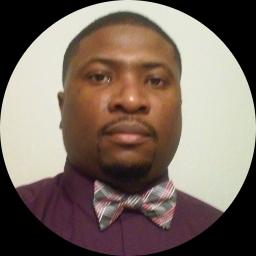
About Michael
Michael Dubose is a licensed clinical social worker who helps people manage stress, anxiety, depression, grief, and the strain that comes with major life changes. He works with people concerned about parenting, fatherhood, self-esteem, and relationship or communication problems. Sessions are aimed at practical steps and clearer coping skills rather than lengthy theory discussions.
With nine years of experience, Michael blends straightforward tools with a respectful, compassionate approach. He draws on Cognitive Behavioral Therapy, Existential Therapy, and Solution-Focused Therapy to match techniques to each person’s needs.
Background and approach
Michael emphasizes simple, doable strategies that can be used between sessions. His style is collaborative and goal-oriented. He listens first, then helps set small, measurable goals.
Michael often uses thought-pattern work and short-term problem-solving to ease anxiety and lift mood. He also addresses issues like caregiving stress, trauma and abuse, panic attacks, and concerns tied to prejudice and discrimination. Michael supports men navigating midlife transitions and questions about life purpose and forgiveness.
Sessions are conducted in English and offered to people in Michigan. He holds licenses as an LCSW and an LMSW, and tailors conversation and plans to each person’s situation. Taking the first step can feel hard, and he aims to make it as clear and useful as possible.
How Michael’s Approaches Work Online
Michael often uses Cognitive Behavioral Therapy to help people notice unhelpful thoughts and try small changes in thinking and behavior; this approach is useful for anxiety, panic, and low mood. Existential Therapy is used to talk about meaning, life purpose, and difficult transitions, helping people name what matters and make values-based choices. Solution-Focused Therapy centers on brief, practical steps and on identifying what works now to move toward clearer goals.Choosing the right approach is part of the work. Michael will listen to your concerns and goals, and together you will pick methods that fit your situation and preferences. That collaborative process helps keep sessions focused and relevant to what matters to you.
Online formats include video calls, phone sessions, live chat, and text-based messaging. Video is good for a fuller face-to-face conversation, phone works well when bandwidth is limited, live chat can suit quick check-ins, and messaging allows brief updates or support between meetings. These options make it easier to fit therapy around work, caregiving, or other demands.
Frequently asked questions
What concerns does he help address?
What is his therapeutic style like?
How much clinical experience does he have?
What credentials and location are on file?
Which languages are sessions offered in?
What session formats are available?
How are fees and subscriptions handled?
How do I begin working with him?
Specialties and expertise
Top specialties
Also works with
- Caregiver issues and stress
- Communication problems
- Family conflicts
- Fatherhood issues
- Forgiveness
- Grief
- Life purpose
- Men's issues
- Midlife crisis
- Mood disorders
- Panic disorder and panic attacks
- Parenting issues
- Post-traumatic stress
- Prejudice and discrimination
- Relationship issues
- Self esteem
- Self-love
- Trauma and abuse
Therapeutic approaches
- Experience
- 9 years
- Licensed
- Michigan, Illinois, Pennsylvania, Connecticut
- Languages
- English