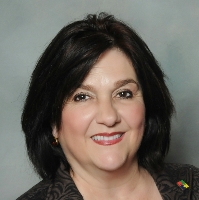
About Mercy
Mercy Estevez is a licensed clinical social worker in Florida who helps people facing grief, depression, anxiety, stress, and challenges with addiction. She also supports those struggling with relationship issues, self-esteem, career changes, parenting concerns, and the effects of trauma. Mercy speaks English and Spanish and brings 12 years of experience to her work.
Her style is warm and client-centered. She focuses on listening first and helping people set practical goals.
Background and approach
Sessions are guided by the person’s priorities, not a fixed agenda. Mercy emphasizes a nonjudgmental, motivational stance to encourage steady progress. In sessions she helps clients turn difficult experiences into clear next steps.
That can mean setting small behavior goals, practicing mindfulness skills, or identifying obstacles that get in the way. Mercy uses solution-focused ideas to help people notice what’s working and build on it. She also works with trauma and loss using approaches that acknowledge strong emotions while aiming for gradual healing.
Clients often work on coping skills for intense feelings, routines that stabilize daily life, and strategies to manage impulses and anger. Mercy blends practical coaching with therapeutic support so clients leave with specific tools. Her approach is collaborative: she and the client decide what to try and how to measure progress.
This makes therapy feel more manageable and goal oriented.
Approaches that fit your life and schedule
Mercy commonly uses Client-Centered Therapy and Motivational Interviewing in online work. Client-Centered Therapy means sessions focus on the person’s own goals and pace, with the therapist listening closely and reflecting what matters most. Motivational Interviewing helps when change feels hard by exploring a person’s own reasons for change and building motivation step by step.She also draws on Mindfulness Therapy to teach simple awareness skills that reduce reactivity and help handle strong feelings. These approaches are useful for anxiety, stress, addiction recovery, grief, and life transitions because they combine practical steps with emotional support.
Finding the right approach is a collaborative process. Mercy will talk with each person about needs, goals, and preferences, then try methods that seem likely to help. If something doesn’t fit, she and the client adjust the plan together over time.
Online therapy offers flexibility for busy lives. Video calls let people see facial cues and do exercises together. Phone sessions work well when bandwidth is limited or when being off camera feels easier. Live chat and text-based messaging suit shorter check-ins, quick skill practice, or days when writing is preferable. These options help make consistent progress while fitting therapy into everyday routines.
Frequently asked questions
What concerns does Mercy focus on?
How would you describe her therapy style?
What background does she bring to sessions?
What are her credentials and where does she practice?
Which languages are supported for sessions?
What session formats are available?
How are sessions paid for and what do they cost?
How do I begin working with her?
Specialties and expertise
Top specialties
- Grief
- Self esteem
- Career difficulties
Also works with
- Abandonment
- Addictions
- ADHD
- Aging and geriatric issues
- Anger management
- Bipolar disorder
- Blended family issues
- Body image
- Cancer
- Caregiver issues and stress
- Coaching
- Codependency
- Commitment issues
- Communication problems
- Control issues
- Coping with life changes
- Coping with natural or human-caused disaster
- Depression
- Domestic violence
- Emptiness
- Family conflicts
- Impulsivity
- Isolation / loneliness
- Jealousy
- Life purpose
- Midlife crisis
- Multicultural concerns
- Parenting issues
- Prejudice and discrimination
- Relationship issues
- Self-love
- Stress, Anxiety
- Trauma and abuse
- Women's issues
- Workplace issues
Therapeutic approaches
- Experience
- 12 years
- Licensed
- Florida
- Languages
- English, Spanish