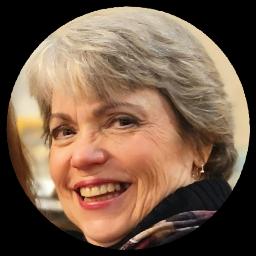
About Mary
Dr. Mary Weeden uses a practical, person-focused approach to help people facing stress, anxiety, grief, eating issues, low self-esteem, and depression. She is a licensed clinical social worker - LCSW - with thirty years of experience and a background that includes nursing.
Her tone is straightforward and calm, aiming to put worried parents at ease while explaining next steps. Her sessions focus on understanding how attachment, thinking patterns, and emotion affect daily life.
Background and approach
She draws on client-centered work to listen without judgment and on cognitive tools to spot and shift unhelpful thoughts. Dialectical and emotionally-focused techniques are added when people need skills for intense feelings or relationship concerns. She has long experience helping people manage grief and end-of-life concerns, caregiver stress, and complex mood and eating-related issues.
That background makes her comfortable talking about guilt, shame, and family of origin problems in clear, relatable terms. In session she helps people set small, doable goals and practices simple skills between meetings. Conversations are practical and paced to fit each person’s needs.
Progress is tracked in ways that are easy to see. Therapy is offered in English and is delivered online through video, phone, live chat, or text messaging. Dr.
Weeden works from Wisconsin and holds Illinois and Wisconsin LCSW credentials.
Approach-Based Online Therapy that Fits Your Life
Dr. Weeden uses attachment-based ideas to look at how early relationships shape current reactions. This helps when trust, abandonment, or attachment concerns affect mood or relationships. She also uses cognitive behavioral therapy to identify unhelpful thinking patterns and to build practical skills for anxiety, depression, and eating-related behaviors. CBT focuses on clear steps you can practice between sessions to reduce distress.Choosing the right approach is part of the work together. She will talk with each person about goals, preferences, and what feels most helpful. That collaboration guides which methods are emphasized and how sessions are paced.
Online sessions are offered by video calls, phone sessions, live chat, or text-based messaging to match different needs. Video is useful for longer, interactive sessions that use visual cues. Phone works well when bandwidth is limited or for times you prefer not to be on camera. Live chat and text messaging are options for brief check-ins, skill reminders, and flexible support between sessions. These formats make it easier to fit therapy into a busy life and to keep consistent contact while working toward your goals.
Frequently asked questions
What concerns does she commonly address?
What is her therapeutic style?
How much clinical experience does she have?
Where is her practice based and what credentials are held?
Which languages are sessions offered in?
What session formats are available?
How are costs and billing handled?
What are the first steps to begin therapy?
Specialties and expertise
Top specialties
- Stress, Anxiety
- Grief
- Eating disorders
Also works with
- Abandonment
- Aging and geriatric issues
- Attachment issues
- Body image
- Caregiver issues and stress
- Co-morbidity
- Communication problems
- Control issues
- Depression
- Divorce and separation
- Eating and food-related issues
- Family of origin issues
- Guilt and shame
- Hospice and end-of-life counseling
- Midlife crisis
- Mood disorders
- Obsessions, compulsions, and OCD
- Panic disorder and panic attacks
- Phobias
- Seasonal Affective Disorder (SAD)
- Self esteem
- Social anxiety and phobia
- Women's issues
Therapeutic approaches
- Experience
- 30 years
- Licensed
- Illinois, Wisconsin
- Languages
- English