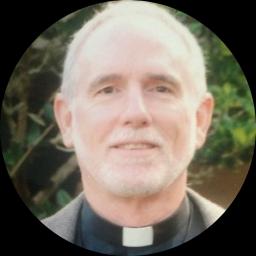
About Mark
Dr. Mark Gabel is a licensed clinical social worker with decades of practice experience. He holds a PhD in Human Services and has taught social work and human services courses at the undergraduate and graduate levels.
He is based in Florida and brings a long career in clinical settings to his work with individuals. He has worked in inpatient and outpatient psychiatric settings, hospice, long-term care, and community mental health.
Background and approach
That range gives him familiarity with many life challenges, from medical grief to complex trauma. He also served in the U.S. Navy and is an ordained Episcopal deacon, roles that inform his perspective on service and resilience.
In sessions he aims to create an open, nonjudgmental space where people can talk about what matters most. He helps people name stress and anxiety, face trauma and abuse, and manage grief and loss. He also supports those dealing with relationship wounds like abandonment and attachment struggles, as well as social anxiety and panic attacks.
Dr. Gabel uses practical, evidence-informed approaches to help clients build coping skills. He works collaboratively to set goals and try strategies that fit a person’s life.
Expect clear conversation, gentle challenge, and a focus on small steps toward feeling better. He offers video calls, phone sessions, live chat, and text messaging. Sessions follow a subscription model that can be canceled at any time.
To begin, a prospective client completes a brief matching questionnaire and schedules based on the therapist’s availability.
Evidence-informed approaches for online care
Dr. Gabel uses evidence-based therapeutic techniques to help people manage symptoms and rebuild daily routines. One common approach focuses on teaching coping skills and practical strategies for stress and anxiety. That work often includes breathing and grounding practices, planning manageable activities, and testing small behavior changes to reduce panic and social anxiety.Another approach addresses trauma and grief by helping people put words to painful experiences and process strong emotions at a pace they can handle. This involves exploring memories, creating safety around difficult topics, and developing ways to tolerate intense feelings while reducing their hold on everyday life.
Determining which approach fits best is collaborative. The therapist will listen to a person’s history, current problems, and goals, then recommend methods to try together. Plans are adjusted over time based on what helps most.
Online sessions are offered by video calls, phone, live chat, or text messaging to make care more flexible. Video works well when visual cues help the work. Phone sessions use less bandwidth and can be easier to fit into a work break. Live chat and texting allow brief check-ins and ongoing reflection between longer talks. These options help people access support while balancing life demands.
Frequently asked questions
What kinds of concerns does this therapist address?
What is the therapist's general style in sessions?
How long has he been practicing?
What are his credentials and location?
Can someone who speaks another language work with him?
Which session formats are available?
How are sessions paid for and what do they cost?
What are the first steps to begin working together?
Specialties and expertise
Top specialties
Also works with
- Experience
- 40 years
- Licensed
- Florida
- Languages
- English