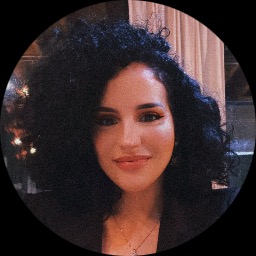
About Margarita
Margarita Ruiz is a licensed clinical social worker in Florida. She has nine years of experience helping people cope with stress, anxiety, depression, and the effects of trauma and abuse. Margarita also supports clients facing LGBT concerns and works to strengthen self-esteem and confidence.
She focuses on building a calm, open space where people can talk about difficult feelings. Sessions are conversational and straightforward. Margarita listens closely and helps clients name what feels hard right now.
Background and approach
Her work often centers on practical steps people can try between sessions. That can include small changes in daily routine, communication strategies, or ways to reduce overwhelming thoughts. She emphasizes realistic goals that fit each person’s life.
Margarita also addresses issues like guilt, shame, isolation, and problems with communication. She helps people explore forgiveness, find more self-love, and clarify their sense of purpose. Social anxiety and phobia work is handled with gradual, manageable steps.
Therapy with her is collaborative. Clients set the pace and priorities together with Margarita. She guides the process while adapting methods to each person’s needs and preferences.
Therapeutic approaches and online care that fit your life
Margarita uses evidence-based techniques that focus on clear, practical change. One common approach she uses involves building skills to manage anxiety and stress through gradual, doable steps that reduce worry and improve daily functioning. This helps people who feel overwhelmed by racing thoughts or persistent stress.Another approach concentrates on healing from trauma and abuse by helping people process difficult memories at a pace they can handle. The work aims to reduce the power of those memories over day-to-day life and to strengthen coping skills for emotional moments.
Finding the right approach is a collaborative process. Margarita works with each person to figure out which techniques match their needs, goals, and comfort level. She adjusts methods as therapy progresses so the work stays relevant and achievable.
Online sessions are offered by video calls, phone, live chat, or text-based messaging to give practical flexibility. Video lets people connect face to face, while phone sessions can be easier when bandwidth is limited or for a shorter check-in. Chat and messaging are useful for brief updates, written reflection, or when scheduling is tight. These options make it easier to fit therapy into a busy life and to keep steady progress over time.
Frequently asked questions
What concerns does she help with?
What is her therapeutic style like?
How long has she been practicing?
What credentials and location are listed?
Which languages are supported for sessions?
What session formats are available?
How are costs handled?
How do I begin working with her?
Specialties and expertise
Top specialties
Also works with
- Experience
- 9 years
- Licensed
- Florida
- Languages
- English, Spanish