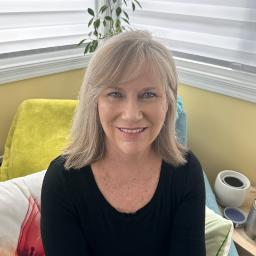
About Margaret
Margaret Joern is a licensed clinical social worker who brings 25 years of experience to her practice in Virginia. She focuses on everyday struggles like anxiety, depression, relationship strain, and stress. She also helps people cope with trauma, grief, addiction, mood shifts, and questions about identity and self-worth.
Her work uses practical, goal-oriented methods so clients can see small changes quickly. Sessions often focus on skills for managing strong feelings and breaking unhelpful patterns.
Background and approach
She also uses trauma-focused work when past events make daily life hard. Margaret has long experience helping people who face caregiver burnout, abandonment wounds, and family-of-origin problems. She has worked with first responders and military veterans and pays attention to how service and duty affect emotional health.
She also addresses issues like impulsivity, obsessive behaviors, and hoarding in straightforward ways. In sessions she blends thought-and-behavior tools with techniques designed for trauma recovery. Clients learn to spot thinking traps, build coping routines, and practice concrete steps between meetings.
The aim is steady progress rather than quick fixes. People who reach out can expect a calm, practical conversation about what matters most to them. Margaret emphasizes clear goals, workable strategies, and helping people regain a sense of control as they move forward.
How targeted therapies work online
Many clients benefit from cognitive behavioral work because it focuses on changing unhelpful thoughts and behaviors. CBT helps with anxiety, depression, compulsive behaviors, and stress by teaching concrete skills and homework to practice between sessions.EMDR is a trauma-focused approach that helps people process distressing memories so they cause less emotional disruption. It is often used when past events continue to affect daily life and relationships.
Finding the right approach is part of the therapeutic process. The therapist will talk with the client about symptoms, history, and goals, and then recommend methods that fit their needs. That plan can change as progress is made and new issues come up, keeping work collaborative and practical.
Online therapy offers flexible ways to meet. Video calls let therapists see nonverbal cues while still saving travel time. Phone sessions can work well when a quieter, simpler check-in is needed. Live chat or text-based messaging is useful for short check-ins, coaching between appointments, or when writing feels easier. These options make it simpler to fit therapy into a busy life and to try different formats until the best fit is found.
Frequently asked questions
What concerns does Margaret address?
What is her therapeutic style?
How much experience does she have?
Where is the therapist licensed and practicing?
What languages are sessions offered in?
Which session formats are available?
How are costs handled?
How do I begin working with her?
Specialties and expertise
Top specialties
- Relationship issues
- Family conflicts
- Trauma and abuse
Also works with
- Abandonment
- Addictions
- ADHD
- Bipolar disorder
- Caregiver issues and stress
- Codependency
- Compassion fatigue
- Coping with life changes
- Depression
- Domestic violence
- Family of origin issues
- Family problems
- First responder issues
- Forgiveness
- Grief
- Guilt and shame
- Hoarding
- Impulsivity
- LGBT
- Midlife crisis
- Mood disorders
- Obsessions, compulsions, and OCD
- Panic disorder and panic attacks
- Phobias
- Post-traumatic stress
- Postpartum depression
- Pregnancy and childbirth
- Seasonal Affective Disorder (SAD)
- Self esteem
- Social anxiety and phobia
- Stress, Anxiety
- Veteran and Armed Forces Issues
- Women's issues
Therapeutic approaches
- Experience
- 25 years
- Licensed
- Virginia
- Languages
- English