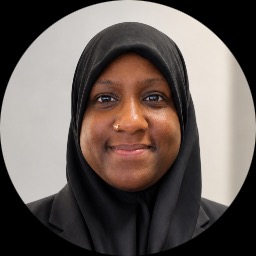
About Majeeda
Majeeda Muhammad Solivan helps people facing addiction, relationship strain, low self-esteem, career crossroads, and depression. She also addresses communication problems, forgiveness, loneliness, questions about life purpose, self-love, and social anxiety. Majeeda is a Licensed Clinical Social Worker, which she uses to guide practical conversations and planning.
Her style is straightforward and calm. Sessions focus on clear goals and small, doable steps. She listens for patterns that keep problems repeating and helps clients try new ways of responding.
Background and approach
In therapy she combines talk and action. That might mean noticing emotional patterns tied to attachment, testing out different thoughts and behaviors with Cognitive Behavioral Therapy, or working on feelings in emotionally-focused exercises. The goal is to build skills that work in daily life.
Majeeda keeps things collaborative. She asks what matters to each person and tailors tools to fit individual needs and schedules. Progress is measured by concrete changes people can see in how they relate and cope.
She practices in Pennsylvania and has three years of clinical experience. Sessions are offered in English and are available through video calls, phone sessions, live chat, or text-based messaging. To begin, a short matching questionnaire is used to connect someone with her and set up a first session.
How these approaches work online and in session
Attachment-Based Therapy focuses on how early relationship patterns shape current bonds. Sessions look for ways past hurts affect trust and closeness, helping people experiment with new, healthier ways of connecting. Cognitive Behavioral Therapy, or CBT, breaks problems into thoughts, feelings, and actions. It teaches practical exercises to change unhelpful thinking and try different behaviors to reduce symptoms and improve functioning. Emotionally-Focused Therapy helps people identify and name core emotions and then use that awareness to shift how they engage with others and themselves.Choosing the right approach is part of the work. The therapist will talk with each person about goals, preferences, and which methods feel most useful. Treatment is collaborative - plans can be adjusted as progress is made and priorities change.
Online therapy offers options that fit busy lives. Video calls let people use visual cues and have a longer, focused session. Phone sessions work well when bandwidth is limited or a shorter check-in is needed. Live chat or text-based messaging can help with quick check-ins, homework support, or when writing feels easier than speaking. These formats make it simpler to fit therapy into work days, travel, or caregiving routines and let licensed professionals provide consistent care across distances.
Frequently asked questions
What concerns does she help with?
What is her therapy style like?
How much clinical experience does she have?
What are her credentials and where is she based?
Which languages are supported and can international clients join?
What session formats are available?
How is cost handled?
How do I begin working with her?
Specialties and expertise
Top specialties
- Addictions
- Relationship issues
- Self esteem
Also works with
Therapeutic approaches
- Experience
- 3 years
- Licensed
- Pennsylvania
- Languages
- English