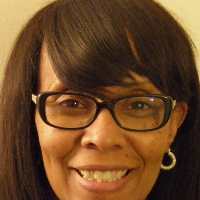
About Lora
Lora Hack is a licensed clinical social worker with 19 years of practice who provides individual therapy for adults. She focuses on helping people cope with trauma, life stress, anxiety and depression. Her style is warm and nonjudgmental and she centers each session on the person in front of her.
She helps clients reconnect with their authentic selves and build inner resilience. Sessions often look at past wounds and current pressures to identify patterns that keep repeating.
Background and approach
The goal is practical change - feeling calmer, sleeping better, improving relationships, and making clearer decisions about career or life direction. Her approach blends mindful awareness with practical skills. She uses methods that help people notice what matters, change unhelpful thoughts, and practice new responses.
Therapy proceeds at a pace that feels manageable and respectful of each person's limits. Lora pays particular attention to the emotional impact of trauma and intimacy-related struggles. She supports people working through abandonment, codependency, shame, isolation, and the aftereffects of abuse.
She also addresses issues such as obsessive thoughts, panic attacks, and challenges tied to work or caregiving roles. Sessions aim to increase self-compassion and clearer communication. Lora works with people on forgiveness, setting boundaries, and finding a stronger sense of life purpose.
The process emphasizes steady progress and practical tools that can be used between sessions.
How Lora’s approaches translate to online therapy
Acceptance and Commitment Therapy (ACT) focuses on clarifying values and taking small committed steps toward them. It helps when worry or avoidance is getting in the way of what matters most. Cognitive Behavioral Therapy (CBT) centers on noticing unhelpful thoughts and testing them with concrete experiments and behavioral changes to reduce anxiety, panic, or depressive patterns.Finding the right approach is part of the work. The therapist will talk with each person about goals and preferences, then try methods that fit those goals. Sessions are collaborative and adjusted as needed so people learn what helps them most.
Online formats include video calls, phone sessions, live chat, and text-based messaging. Video allows face-to-face conversation and visual cues. Phone sessions can be easier when bandwidth is limited or when someone prefers not to be on camera. Live chat or text messaging can provide shorter check-ins, quick problem-solving between sessions, or support for people who express themselves better in writing. These options make it easier to fit therapy around work, family, and travel.
Frequently asked questions
What concerns does she address?
What is her general therapy style?
How long has she been practicing?
What credentials and location are listed?
Which languages are supported and can international clients connect?
What session formats are available?
How is cost handled?
How do I begin working with her?
Specialties and expertise
Top specialties
- Stress, Anxiety
- Relationship issues
- Trauma and abuse
Also works with
- Abandonment
- ADHD
- Anger management
- Bipolar disorder
- Career difficulties
- Coaching
- Codependency
- Communication problems
- Compassion fatigue
- Coping with life changes
- Depression
- Domestic violence
- Emptiness
- Fatherhood issues
- Forgiveness
- Intimacy-related issues
- Isolation / loneliness
- LGBT
- Life purpose
- Obsessions, compulsions, and OCD
- Panic disorder and panic attacks
- Post-traumatic stress
- Self esteem
- Self-love
- Sleeping disorders
- Social anxiety and phobia
- Veteran and Armed Forces Issues
- Women's issues
Therapeutic approaches
- Experience
- 19 years
- Licensed
- Virginia
- Languages
- English