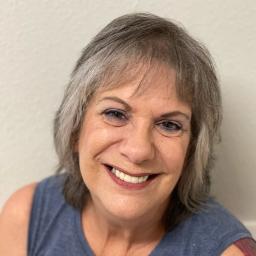
About Lois
Lois Plock helps people who are worried about addiction, overwhelming anxiety, or painful loss. She works with adults who feel stuck by low self-esteem, relationship strain, impulsivity, or the long shadow of trauma. Lois writes plainly and listens closely to understand what matters most to each person.
She holds a Licensed Clinical Social Worker credential - LCSW - and has practiced for 11 years. Her background includes residential addiction treatment, intensive outpatient programs, running support groups, and teaching life skills.
Background and approach
Lois also brings experience integrating Christian counseling when clients want that perspective. Lois uses a collaborative style. She is supportive and direct, helping clients name specific goals and try practical steps between sessions.
Typical techniques she draws on include mindfulness, behavioral skills, and talking through values to guide choices. In sessions she focuses on clear skills for coping with stress, reducing impulsive reactions, and improving communication. She also addresses grief, relationship challenges, and issues tied to substance use with straightforward problem-solving and emotion work.
Clients can expect an approach that balances empathy with concrete tools. Lois aims to help people move from feeling overwhelmed to having clearer choices and better ways to handle hard moments. Her practice is based in Florida and she offers multiple online formats for sessions.
Conversations begin with a short matching questionnaire and scheduling based on her availability.
How evidence-based approaches work online
Acceptance and Commitment Therapy (ACT) focuses on identifying personal values and taking small committed steps toward them while accepting difficult feelings. It is useful for anxiety, depression, and when people feel stuck or directionless. Cognitive Behavioral Therapy (CBT) looks at patterns of thought and behavior and teaches practical skills to change them, which can help with anxiety, depression, and impulsivity. Emotionally-Focused Therapy (EFT) centers on understanding and shifting emotional responses in the moment to improve connection and reduce distress in relationships.Finding the right approach is a team effort. The therapist will listen to your concerns, try a few techniques, and adjust based on what helps you make progress. Clients often mix elements from different approaches to fit their goals and daily life.
Online sessions can be scheduled as video calls, phone sessions, live chat, or text-based messaging to suit different needs. Video is good when visual connection and body language matter. Phone calls work well when bandwidth is limited or a quieter option is needed. Live chat and text messages are useful for brief check-ins, skill practice, or when typing feels easier than talking. These options make it easier to fit therapy into a busy life and to keep momentum between sessions.
Frequently asked questions
What kinds of concerns does she address?
What is her therapeutic style like?
What experience does she bring?
What credentials and location are listed?
Which languages are supported?
What session formats are available?
How are costs handled?
How do I begin working with her?
Specialties and expertise
Top specialties
- Addictions
- Relationship issues
- Grief
Also works with
- Abandonment
- ADHD
- Aging and geriatric issues
- Co-morbidity
- Codependency
- Communication problems
- Control issues
- Coping with natural or human-caused disaster
- Depression
- Divorce and separation
- Drug and alcohol addiction
- Emptiness
- Family of origin issues
- First responder issues
- Forgiveness
- Guilt and shame
- Impulsivity
- Infidelity
- Intimacy-related issues
- Life purpose
- Mood disorders
- Narcissism
- Panic disorder and panic attacks
- Post-traumatic stress
- Process addiction (porn, exercise, gambling)
- Self esteem
- Self-love
- Stress, Anxiety
- Trauma and abuse
- Veteran and Armed Forces Issues
Therapeutic approaches
- Experience
- 11 years
- Licensed
- North Carolina, Florida
- Languages
- English