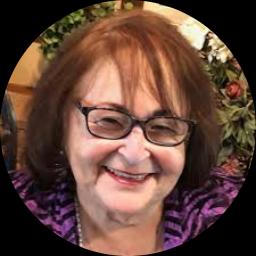
About Linda
Linda Skale welcomes people who are feeling overwhelmed by stress, grief, anxiety, or big life changes. She speaks plainly and focuses on practical steps to make daily life more manageable. Linda is a Licensed Clinical Social Worker, LCSW, with four decades of practice in California.
She helps people talk through trauma, abuse, and the heavy things that come after loss. Linda pays attention to feelings like guilt, shame, and isolation and helps clients find ways to cope with them.
Background and approach
Sessions are shaped around each person’s needs rather than a one-size-fits-all plan. Her style is respectful and steady. Conversations are paced to match what someone can handle that day.
Goals are realistic and useful, such as reducing panic, improving sleep, or finding tools for grief and mood shifts. Linda draws on Client-Centered Therapy to keep the work focused on the person in front of her. She listens, reflects, and helps people notice options they might not have seen before.
The work is collaborative and grounded in everyday life concerns. Over her 40 years of work, Linda has supported people through a wide range of emotional struggles. She aims to empower each person to make choices that fit their values and circumstances.
If someone wants straightforward support for anxiety, depression, or trauma-related issues, she offers an experienced, compassionate presence.
Client-Focused Approaches for Online Care
Client-Centered Therapy places the person and their experience at the center of the work. The therapist listens carefully, mirrors what they hear, and helps clients explore their feelings and choices. This approach can be useful for anxiety, grief, and the emotional fallout from trauma and loss.With a collaborative approach, the therapist will help figure out what style fits best. Together they set goals, try different ways of working, and adjust plans based on how things feel and what actually helps. Finding the right approach is treated as an ongoing conversation rather than a one-time decision.
Online sessions include video calls, phone sessions, live chat, and text-based messaging to match different needs. Video calls let people read facial cues and have fuller conversations. Phone sessions can work when bandwidth is limited or when someone prefers not to be on camera. Live chat and text messaging offer brief check-ins, written reflections, or ongoing contact between longer sessions. These options make it easier to fit therapy into work, childcare, or other life demands while keeping the focus on practical support and steady progress.
Frequently asked questions
What kinds of concerns does this therapist help with?
What is the therapeutic style like?
How much experience does the therapist have?
What credentials and location are listed?
Are sessions offered in other languages or internationally?
Which session formats are available?
How is cost handled for sessions?
What are the first steps to begin working together?
Specialties and expertise
Top specialties
Also works with
Therapeutic approaches
- Experience
- 40 years
- Licensed
- California
- Languages
- English