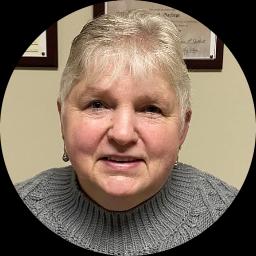
About Linda
Linda Gardepe is a licensed clinical social worker who focuses on practical, person-centered support. She uses straightforward talk and listening to help people manage stress, anxiety, depression, relationship strain, and trauma. Linda welcomes LGBTQ clients and helps with career concerns and self-esteem struggles.
With 11 years of experience, Linda combines clear, goal-focused methods with a warm, client-centered stance. She helps people name what feels out of balance and tries out small, doable steps to change it.
Background and approach
Sessions often include tools from cognitive behavioral therapy to challenge unhelpful thoughts and from mindfulness to calm intense emotions. When trauma or intense distress shows up, EMDR is one option she may consider alongside other approaches. Dialectical behavior therapy skills are used when stronger emotion regulation and coping strategies are needed.
She adapts her approach to the person in front of her rather than following a single plan. Linda is licensed in Pennsylvania as an LCSW and also holds a Massachusetts LICSW. She has worked across clinical settings and brings that variety into how she plans treatment with each person.
Her style is direct but supportive, with a focus on practical change. Starting therapy with Linda means talking through immediate concerns, setting simple goals, and checking what works. The aim is steadier day-to-day functioning, clearer relationships, and more confidence in handling life’s challenges.
Therapeutic approaches adapted for online care
Linda often uses client-centered therapy, which focuses on building a trusting rapport and following the client’s lead to identify what matters most. This approach helps people feel heard and understood while they work on practical goals. Cognitive behavioral therapy, another core method she uses, breaks problems into thoughts, feelings, and actions and teaches concrete steps to change patterns that lead to distress. CBT is helpful for anxiety, depression, and many everyday struggles.Finding the right approach is part of the work together. Linda will discuss options and try methods that fit a person’s needs, goals, and preferences. She checks in regularly about what helps and adjusts plans so therapy stays useful and relevant.
Online formats make it easier to connect in different ways. Video calls allow face-to-face conversation and visual cues. Phone sessions can be a simpler option when bandwidth is limited or when someone prefers not to be on camera. Live chat and text-based messaging support shorter check-ins or ongoing reflection between sessions. These options aim to make therapy more flexible and easier to fit into daily life.
Frequently asked questions
What concerns does Linda help with?
How would you describe her therapy style?
What kind of experience does she bring?
Where is Linda licensed to practice?
Which languages are sessions offered in?
What session formats are available?
How is cost handled for sessions?
How do I begin working with her?
Specialties and expertise
Top specialties
- Stress, Anxiety
- Relationship issues
- Trauma and abuse
Also works with
- Blended family issues
- Career difficulties
- Chronic pain, illness, and disability
- Communication problems
- Depression
- Domestic violence
- Eating and food-related issues
- Emptiness
- Family problems
- Forgiveness
- Guilt and shame
- LGBT
- Life purpose
- Obsessions, compulsions, and OCD
- Panic disorder and panic attacks
- Phobias
- Post-traumatic stress
- Postpartum depression
- Self esteem
- Self-love
- Sexual assault and abuse
- Sexuality
- Social anxiety and phobia
- Women's issues
- Workplace issues
Therapeutic approaches
- Experience
- 11 years
- Licensed
- Pennsylvania, Massachusetts
- Languages
- English