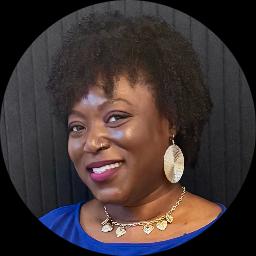
About LaWanda
LaWanda Myers is a licensed clinical social worker with seven years of experience supporting people through emotional crises and long-term struggles. She is licensed as an LICSW in Alabama and as an LCSW in Pennsylvania, and practices with clients in Texas. LaWanda focuses on stress, anxiety, trauma and abuse, grief, bipolar disorder, and depression.
She emphasizes that each person knows their own story best. Sessions center on building practical coping skills and identifying strengths that already exist.
Background and approach
Conversations are straightforward and aimed at helping people manage strong feelings and day-to-day challenges. LaWanda also addresses concerns like abandonment, body image, caregiver stress, communication problems, and isolation. She will help people name what matters most and work toward clearer goals.
Topics such as life purpose, self-love, and guilt are approached with patience and direct support. Her work includes attention to mood and personality disorders, post-traumatic stress, social anxiety, and issues faced by veterans and armed forces members. She aims to break down worries into manageable steps and practical strategies people can use between sessions.
Starting therapy is treated as a partnership. LaWanda helps people try different approaches until they find what fits. The focus is on steady progress rather than quick fixes.
How therapy approaches translate to online sessions
Evidence-based therapeutic techniques are used in practical ways to help people manage symptoms and rebuild routines. One common approach focuses on skills training to reduce anxiety and mood swings by teaching breathing, grounding, and activity scheduling. These skills are useful for stress, panic, and daily low mood. Another approach emphasizes processing traumatic events in paced conversation, helping people make sense of painful memories and reduce their impact on day-to-day life. That method is often used for trauma, abuse, and post-traumatic stress.Choosing the best approach is a collaborative process. The therapist will listen to your concerns, try methods that fit your goals, and adjust the plan as you notice what helps. Clients are invited to share feedback and set the pace throughout the work together.
Online therapy with video calls, phone sessions, live chat, or text-based messaging offers flexibility. Video lets people read facial cues and use shared exercises. Phone calls can be a good option when bandwidth is limited or a clearer voice connection is preferred. Live chat and text work well for brief check-ins, mood tracking, or when someone needs frequent, short contact. These formats make it easier to fit therapy into a busy life and keep continuity between appointments.
Frequently asked questions
What concerns can this therapist help with?
How would you describe her therapeutic style?
What is her professional background?
Where is she licensed and located?
Which languages are supported for sessions?
What session formats are available?
How are costs and payment handled?
What are the steps to begin working together?
Specialties and expertise
Top specialties
Also works with
- Abandonment
- Bipolar disorder
- Body image
- Caregiver issues and stress
- Communication problems
- Depression
- Divorce and separation
- Guilt and shame
- Isolation / loneliness
- Life purpose
- Mood disorders
- Personality disorders
- Post-traumatic stress
- Self-love
- Social anxiety and phobia
- Veteran and Armed Forces Issues
- Women's issues
- Workplace issues
- Experience
- 7 years
- Licensed
- Pennsylvania, Texas, Alabama
- Languages
- English