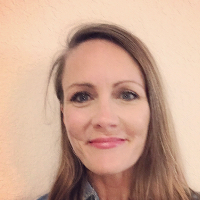
About Laura
Laura Marshall is a licensed clinical social worker (LCSW) based in Florida. She brings 15 years of experience helping people manage stress, anxiety, depression, bipolar symptoms, ADHD, and addiction concerns. Laura focuses on practical tools that can be used in everyday life.
Laura often works with people facing trauma, eating and body image struggles, parenting strain, and relationship or communication problems. She uses straightforward approaches to help clients spot unhelpful thoughts and build new habits.
Background and approach
Sessions concentrate on clear goals and gradual changes. Her background includes work across mood disorders, post-traumatic stress, self-harm, and issues tied to guilt, shame, or low self-esteem. She also supports people navigating social anxiety and phobia and those working on self-love and coping with life changes.
This gives her a broad base for tailoring treatment plans. In sessions she blends methods like cognitive behavioral work, skills from dialectical behavior therapy, motivational interviewing, solution-focused strategies, and trauma-focused techniques. The aim is to match tools to a person's needs and pace the work so it feels manageable.
Laura earned her clinical training and holds the Florida LCSW license FL LCSW SW9556. She offers therapy in English and provides video calls, phone sessions, live chat, and text-based messaging. The focus is on helping people build real skills and make steady progress.
How specific approaches translate to online care
CBT, or Cognitive Behavioral Therapy, focuses on identifying and changing unhelpful thoughts and behaviors. It often involves short exercises and homework to practice new skills between sessions, which works well over video or messaging. DBT, Dialectical Behavior Therapy, teaches concrete skills for managing intense emotions and improving interpersonal effectiveness. DBT skills like grounding, emotion regulation, and distress tolerance can be taught in short coaching-style sessions online. Finding the right approach is a collaborative process. The therapist will talk with the client about goals, preferences, and what feels most useful. Together they adjust techniques and pacing so therapy fits daily life and the specific concerns being addressed. Online formats offer practical benefits. Video calls let people use visual cues and a normal conversational flow. Phone sessions can be a good option when bandwidth is limited or a shorter check-in is needed. Live chat and text-based messaging make it easier to fit brief check-ins into a busy day and to get skill reminders between sessions. These options increase flexibility and help people stay consistent with the work.Frequently asked questions
What concerns does Laura commonly address?
What is her therapeutic style like?
How much experience does she have?
What credentials and location are listed?
Are sessions available in other languages or internationally?
Which session formats are offered?
How does cost and billing work?
What is the process to begin working with her?
Specialties and expertise
Top specialties
- Stress, Anxiety
- Trauma and abuse
- Bipolar disorder
Also works with
- Addictions
- ADHD
- Anger management
- Body image
- Communication problems
- Coping with life changes
- Depression
- Drug and alcohol addiction
- Eating disorders
- Family conflicts
- Family problems
- Guilt and shame
- LGBT
- Mood disorders
- Parenting issues
- Post-traumatic stress
- Relationship issues
- Self esteem
- Self-harm
- Self-love
- Social anxiety and phobia
Therapeutic approaches
- Experience
- 15 years
- Licensed
- Florida
- Languages
- English