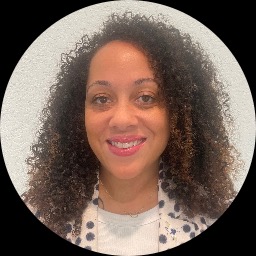
About LaSharta
LaSharta Pearson is a licensed clinical social worker who brings eight years of experience to her practice in Texas. She began helping others through a variety of community and service roles, including time in the US Air Force and work as a corrections officer. Those experiences shape her practical, straightforward approach to care.
She believes small steps add up. In sessions she uses clear tools and short-term goals to help people manage stress, anxiety, depression, and relationship or intimacy concerns.
Background and approach
LaSharta also supports work on self-esteem, career strain, addiction issues, and mood concerns such as bipolar and panic symptoms. Her style is warm and encouraging while remaining goal-focused. She adapts the work to each person’s needs and values rather than using a one-size-fits-all plan.
Clients can expect a mix of listening, skill practice, and simple exercises to try between meetings. LaSharta draws on methods like cognitive behavioral approaches, dialectical behavior skills, and acceptance-based ideas, along with client-centered conversation and mindfulness techniques. She often frames change as gradual, like planting a seed that grows with steady care.
Beyond symptom work, she pays attention to life roles and stressors such as caregiving, workplace strain, and relationship conflicts. LaSharta aims to help people find clearer direction, better communication, and more reliable ways to cope when life feels overwhelming.
Approaches that translate well to online therapy
Acceptance and Commitment Therapy, often called ACT, focuses on helping people notice their values and take small, meaningful steps toward them. It is useful for stress, life changes, and persistent anxiety by teaching acceptance and action plans. Cognitive Behavioral Therapy, or CBT, looks at thoughts and behaviors and uses practical exercises to change patterns that worsen mood or panic symptoms. It works well for depression, panic, and mood-related concerns.Finding the right approach is part of the work. The therapist will collaborate with each person to choose methods that match their needs, goals, and preferences. That means adjusting the mix of ACT, CBT, or client-centered conversation over time so the plan fits the person rather than forcing a single model.
Online formats include video calls, phone sessions, live chat, and text-based messaging, which give flexibility for different days and schedules. Video lets people use visual cues for deeper conversation, phone calls are easier when bandwidth is limited, and messaging or live chat can be handy for brief check-ins or skill practice between sessions. These options help people fit therapy into work, caregiving, or busy lives while keeping the focus on practical change.
Frequently asked questions
What concerns does LaSharta help address?
What is her therapeutic style like?
How long has she been practicing?
Where is she licensed and based?
Which languages are supported for sessions?
What session formats are available?
How is cost determined?
How do I begin working with her?
Specialties and expertise
Top specialties
- Stress, Anxiety
- Relationship issues
- Self esteem
Also works with
- Addictions
- Anger management
- Bipolar disorder
- Career difficulties
- Caregiver issues and stress
- Co-morbidity
- Commitment issues
- Communication problems
- Compassion fatigue
- Coping with life changes
- Depression
- Disruptive Mood Dysregulation Disorder (DMDD)
- Family problems
- Infidelity
- Intimacy-related issues
- Isolation / loneliness
- LGBT
- Life purpose
- Mood disorders
- Panic disorder and panic attacks
- Personality disorders
- Self-love
- Women's issues
- Workplace issues
- Young adult issues
Therapeutic approaches
- Experience
- 8 years
- Licensed
- Texas, North Carolina
- Languages
- English