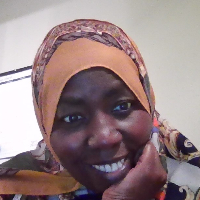
About Khadija
Khadija Muntwanamba offers calm, practical help for people feeling overwhelmed by stress, anxiety, grief, or big life changes. She speaks English and Swahili and aims to make conversations straightforward and understandable. Khadija is a Licensed Clinical Social Worker, LCSW, practicing in Texas with ten years of experience in social services and mental health settings.
Her background includes work in medical and psychiatric units and with older adults. That experience shaped a steady, problem-focused style that suits people facing complex health or life stressors.
Background and approach
In sessions she listens closely, helps clarify what matters most, and sets small, achievable steps forward. Khadija blends several approaches to fit each person’s needs. She uses client-centered work to build a trusting space, Cognitive Behavioral Therapy to address unhelpful thinking and behavior, and Dialectical Behavior Therapy skills for emotion regulation and stress tolerance.
Mindfulness and existential questions are used when they help people find meaning or calm. Practical concerns are part of the work. Khadija helps with sleep and eating struggles, substance use and compulsive behaviors, and parenting or career stress.
She also supports people coping with trauma, grief, isolation, and identity or immigration challenges. Sessions are framed around clear goals and steady progress. Khadija prefers to collaborate so people leave with tools they can use between visits.
Her style is direct but compassionate, aimed at making real life feel more manageable.
Therapeutic approaches and online care that fit your life
Client-Centered Therapy focuses on listening and building a respectful, nonjudgmental relationship. It helps people feel heard and make choices that match their values. Cognitive Behavioral Therapy, or CBT, looks at how thoughts, feelings, and actions connect. It teaches clear skills to reduce anxiety, manage mood, and change problem behaviors. Dialectical Behavior Therapy, DBT, adds practical skills for handling intense emotions, improving distress tolerance, and strengthening relationships.Choosing the right approach is a collaborative process. The therapist will work with each person to identify goals and try methods that suit those goals and preferences. Adjustments are common as progress is made, so the plan can change to what helps most.
Online therapy offers flexibility through video calls, phone sessions, live chat, and text-based messaging. Video calls allow face-to-face conversation when bandwidth permits. Phone sessions can be easier when camera use is difficult. Live chat and messaging let people check in between sessions or have shorter, focused exchanges. These options make it easier to fit therapy around work, family, or other commitments while still working with a licensed professional.
Frequently asked questions
What concerns does she help with?
What is her therapeutic style like?
How much clinical experience does she have?
What are her credentials and where is she located?
Can sessions be held in languages other than English?
Which session formats are available?
How does cost and billing work?
How do I begin working with her?
Specialties and expertise
Top specialties
Also works with
- Addictions
- ADHD
- Anger management
- Bipolar disorder
- Career difficulties
- Compassion fatigue
- Coping with life changes
- Depression
- Eating disorders
- Family conflicts
- First responder issues
- Guilt and shame
- Hoarding
- Immigration issues
- Intimacy-related issues
- Isolation / loneliness
- Life purpose
- Multicultural concerns
- Obsessions, compulsions, and OCD
- Parenting issues
- Personality disorders
- Relationship issues
- Seasonal Affective Disorder (SAD)
- Self esteem
- Self-love
- Sleeping disorders
- Social anxiety and phobia
Therapeutic approaches
- Experience
- 10 years
- Licensed
- Texas
- Languages
- English, Swahili