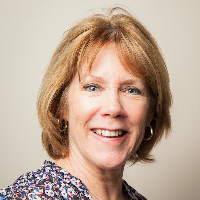
About Kathy
Dr. Kathy Cox helps people facing stress, anxiety, trauma and abuse, grief, depression, and compassion fatigue. She also supports those dealing with addiction, relationship and family concerns, parenting strain, anger, self-esteem struggles, bipolar challenges, ADHD, and life transitions.
Kathy is a licensed clinical social worker who brings three decades of experience to her work in California. Her approach is straightforward and warm. She builds a trusting relationship and listens carefully to each person’s priorities.
Background and approach
Sessions focus on finding strengths and practical steps to manage symptoms, cope with setbacks, and meet personal goals. Kathy uses a mix of practical methods to fit each person’s needs. She draws on client-centered work to center what matters to the individual.
Cognitive behavioral techniques help identify unhelpful thoughts and test new behaviors. Mindfulness and skills from dialectical behavior therapy support emotion regulation and stress management. She has extensive experience with adults across the lifespan and with issues such as post-traumatic stress, domestic violence, addiction, caregiver strain, adoption and foster care concerns, and social anxiety.
Kathy’s background also includes teaching social work and writing about self-care for helping professionals. Outside of therapy, she enjoys yoga, swimming, and time with her dogs. Her style is collaborative and calm, aimed at helping people regain control, reduce distress, and make steady progress toward the life they want.
Therapeutic approaches online and how they help
Client-centered therapy focuses on the person’s priorities and values. It creates space for people to tell their story and decide what matters most, which helps when someone feels overwhelmed or unsure where to begin. Cognitive behavioral therapy, or CBT, looks at how thoughts, feelings, and actions connect. It offers concrete exercises to test unhelpful beliefs and build new habits, useful for anxiety, depression, and mood challenges.Finding the right approach is part of the work. The therapist will collaborate with each person to choose or combine methods based on needs, goals, and preferences. That means trying techniques, checking what helps, and adjusting the plan together over time.
Online sessions are offered by video calls, phone, live chat, or text-based messaging to make therapy more flexible. Video works well for deeper conversations and exercises that benefit from visual contact. Phone sessions can fit a commute break or when bandwidth is limited. Live chat and text are good for quick check-ins, reflection between sessions, or when someone prefers writing to speaking. These options allow people to access licensed professionals from different locations and fit therapy into a busy life.
Frequently asked questions
What concerns does Kathy address in sessions?
How would you describe her therapeutic style?
What is her professional background?
What credentials and location are listed?
Which languages are supported and are international clients accepted?
What session formats are available with her?
How is cost handled for sessions?
What steps are involved in getting started?
Specialties and expertise
Top specialties
Also works with
- Addictions
- ADHD
- Adoption and foster care
- Aging and geriatric issues
- Anger management
- Bipolar disorder
- Caregiver issues and stress
- Communication problems
- Compassion fatigue
- Coping with life changes
- Depression
- Domestic violence
- Drug and alcohol addiction
- Family conflicts
- Family problems
- Guilt and shame
- Isolation / loneliness
- Parenting issues
- Post-traumatic stress
- Relationship issues
- Self esteem
- Social anxiety and phobia
- Young adult issues
Therapeutic approaches
- Experience
- 30 years
- Licensed
- California
- Languages
- English