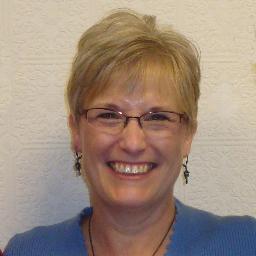
About Karen
Karen Bludorn is a Licensed Clinical Social Worker who offers individual counseling with a practical, client-centered style. She focuses on helping people manage stress, anxiety, mood problems, substance use, and the effects of trauma. Her approach is straightforward and aimed at making everyday life a bit easier to handle.
She takes an integrative view that looks at mental, emotional, social, and spiritual needs together. Sessions are grounded in real skills such as managing strong emotions, changing unhelpful thoughts, and building routines that support stability.
Background and approach
Karen also pays attention to how past relationships and attachment patterns shape current reactions. Over 14 years of practice, she has worked with people facing depression, bipolar mood challenges, panic episodes, and personality-related struggles. She also helps those coping with grief, relationship strain, parenting stress, and life transitions.
Addictions and chronic illness are included among the issues she addresses. Her methods draw on cognitive-behavioral ideas, dialectical behavior strategies, acceptance and commitment principles, attachment-based perspectives, and a client-centered stance. Karen emphasizes practical tools alongside conversations that help clients feel understood and respected.
Sessions are offered in English and based in Arizona. She aims to create an atmosphere where people feel heard, gain clearer options, and take steady steps toward goals. The first meetings usually focus on what matters most now and what small changes could help right away.
Approaches that guide online sessions
Acceptance and Commitment Therapy (ACT) focuses on helping people notice unhelpful thoughts without getting stuck in them and then take steps toward a values-based life. It can be useful for anxiety, depression, and coping with major life changes. Cognitive Behavioral Therapy (CBT) teaches concrete techniques to identify and change thought patterns and behaviors that keep problems going, which helps with panic, mood swings, and many everyday stresses. Attachment-Based Therapy pays attention to how early relationship patterns affect current connections and emotional reactions, and it helps people build healthier ways of relating.Choosing the right approach is part of the work together. The therapist will talk with each person about their goals, preferences, and what feels most useful. From there she blends methods to match those needs rather than sticking to a single technique.
Online therapy offers flexible ways to meet. Video calls allow face-to-face conversation when a deeper connection is helpful. Phone sessions can be shorter check-ins or easier when bandwidth is limited. Live chat and text messaging can support quick reflections, homework check-ins, or steady support between sessions. These options let people fit counseling into busy lives and try formats that suit their routines.
Frequently asked questions
What concerns does she help with?
What is her therapeutic style?
How much experience does she have?
What are her credentials and where is she located?
Which languages are supported?
What session formats are available?
How does cost work for sessions?
How do I begin working with her?
Specialties and expertise
Top specialties
Also works with
- Aging and geriatric issues
- Anger management
- Attachment issues
- Bipolar disorder
- Chronic pain, illness, and disability
- Communication problems
- Control issues
- Coping with life changes
- Depression
- Domestic violence
- Drug and alcohol addiction
- Family conflicts
- Family of origin issues
- Forgiveness
- Grief
- Guilt and shame
- Intimacy-related issues
- Life purpose
- Mood disorders
- Panic disorder and panic attacks
- Parenting issues
- Personality disorders
- Post-traumatic stress
- Process addiction (porn, exercise, gambling)
- Relationship issues
- Seasonal Affective Disorder (SAD)
- Self esteem
- Social anxiety and phobia
- Women's issues
- Young adult issues
Therapeutic approaches
- Experience
- 14 years
- Licensed
- Arizona, Utah
- Languages
- English