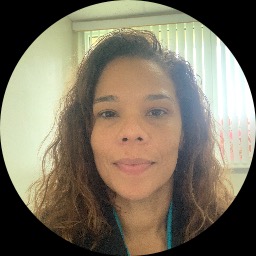
About Juliana
Juliana Martinez helps people cope with relationship strain, trauma and abuse, low self-esteem, depression, and major life changes. She writes plainly and listens closely. Her approach focuses on practical steps and small changes that make daily life easier.
Juliana is a licensed clinical social worker in Florida with 18 years of experience as an LCSW. She believes people know their own stories and brings curiosity to what each person already does well.
Background and approach
Sessions are collaborative and paced to what feels manageable. Juliana aims to build confidence and clearer communication while addressing mood and stress symptoms. Her work often covers adoption and foster care concerns, attachment issues, body image, and forgiveness.
She also supports people facing isolation, family problems, divorce or separation, and post-traumatic stress. She is familiar with challenges related to autism and Asperger Syndrome and disruptive mood dysregulation. Juliana uses evidence-based therapeutic techniques that focus on concrete tools and skills.
Conversations may include practical strategies for coping, ways to improve communication, and steps to reduce self-harm urges when they appear. The focus is on things people can try between sessions. People will find a straightforward, steady presence in sessions.
Juliana keeps goals clear and checks progress regularly. Her style is warm, direct, and focused on helping people regain daily functioning and hope.
How evidence-based techniques translate to online care
The practice commonly uses evidence-based therapeutic techniques that teach specific skills to manage mood and stress. These approaches often break problems into concrete steps, such as identifying unhelpful thinking patterns and practicing new ways of responding to triggers. They help with depression, anxiety, and post-traumatic stress by giving clear tools to use day to day.Another frequent focus is communication skills training. This involves learning short, repeatable phrases and listening strategies to reduce conflict and improve connection. It is useful for relationship strain and for people navigating separation or family challenges.
Finding the right approach is part of the work. The therapist will talk with the client about goals, symptoms, and what has or hasn't helped before. Together they will choose techniques that match needs and preferences and adjust the plan as progress is made.
Online formats include video calls, phone sessions, live chat, and text-based messaging. Video lets people use visual cues for deeper conversation. Phone sessions require less bandwidth and can fit into a busy day. Live chat and messaging are useful for brief check-ins, short skill practice, or when writing feels easier than talking. These options make therapy more flexible and easier to fit into everyday life.
Frequently asked questions
What concerns does she help with?
How would you describe her therapy style?
What is her professional background?
What credentials and location are listed?
Which languages are offered for sessions?
What session formats are available?
How does payment and cost work?
How do I begin working with her?
Specialties and expertise
Top specialties
- Relationship issues
- Trauma and abuse
- Self esteem
Also works with
- Adoption and foster care
- Attachment issues
- Autism and Asperger Syndrome
- Body image
- Communication problems
- Coping with life changes
- Depression
- Disruptive Mood Dysregulation Disorder (DMDD)
- Divorce and separation
- Domestic violence
- Emptiness
- Family problems
- Forgiveness
- Isolation / loneliness
- Mood disorders
- Post-traumatic stress
- Self-harm
- Self-love
- Women's issues
- Workplace issues
- Experience
- 18 years
- Licensed
- Florida, Arizona, Massachusetts, Nevada, Oregon
- Languages
- English