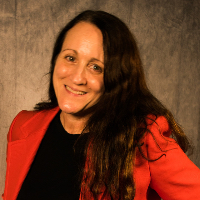
About Joy
Joy Kelleher is a licensed clinical social worker with 25 years of experience. She aims to make counseling approachable and practical. She offers flexible session formats so people can fit therapy into busy lives.
Her style is warm, relational, and focused on real change. Joy meets people where they are and helps them figure out the next steps. She focuses on strengths, building resilience, and practical tools for coping.
Many clients come for anxiety, depression, grief, relationship concerns, career stress, and life transitions.
Background and approach
Her background includes extensive social work practice and international experience. She has worked with a wide range of adults across different stages of life. That experience shapes a flexible approach that adapts to each person’s needs.
In sessions she uses conversational, goal-oriented methods. Expect to talk through what matters, set realistic goals, and try techniques that can be used between meetings. She supports people recovering from trauma, dealing with parenting strain, facing addiction concerns, and managing mood or attention challenges.
Joy also supports questions around identity, intimacy, body image, and workplace stress. She volunteers in her community and coaches college athletes, which informs her work with young adults navigating big life changes. Her approach combines practical skills with an emphasis on connection and empowerment.
How online approaches and methods fit your needs
The therapist uses Acceptance and Commitment Therapy and Cognitive Behavioral Therapy in everyday language to help people manage thoughts and behaviors. ACT focuses on clarifying values and taking meaningful action even when feelings are hard, which can help with life transitions, grief, and long-term patterns. CBT breaks down unhelpful thinking and behavior into manageable steps and teaches practical skills to reduce anxiety, panic, and depressive symptoms.Finding the right approach is part of the work together. The therapist will talk with each person about goals, preferences, and what feels most helpful. Treatment decisions are collaborative and can change over time as needs evolve.
Online sessions are offered as video calls, phone sessions, live chat, or text-based messaging to suit different schedules and situations. Video works well for longer therapy sessions and face-to-face conversation. Phone sessions can be easier when bandwidth is limited or when a quick check-in fits into a break. Live chat or text messaging are useful for brief check-ins, coaching-style support, or when writing helps clarify thoughts. These options aim to make therapy more flexible and easier to fit into daily life.
Frequently asked questions
What concerns does she help with?
What is her therapy style like?
How much experience does she have?
What credentials and where is she based?
Which languages are supported?
What session formats are available?
How does cost and billing work?
How do I begin if I want to work together?
Specialties and expertise
Top specialties
Also works with
- Addictions
- ADHD
- Bipolar disorder
- Body image
- Cancer
- Career difficulties
- Coaching
- Compassion fatigue
- Coping with life changes
- Depression
- Divorce and separation
- Family conflicts
- First responder issues
- Grief
- Guilt and shame
- Intimacy-related issues
- Isolation / loneliness
- LGBT
- Life purpose
- Midlife crisis
- Mood disorders
- Panic disorder and panic attacks
- Parenting issues
- Post-traumatic stress
- Relationship issues
- Self-love
- Social anxiety and phobia
- Women's issues
- Workplace issues
- Young adult issues
Therapeutic approaches
- Experience
- 25 years
- Licensed
- Georgia
- Languages
- English