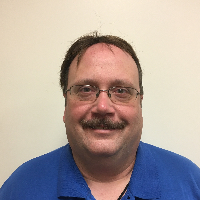
About Joseph
Dr. Joseph Lukas-Drouillard Hogan uses a client-centered approach to help people face stress, anxiety, grief, depression, and relationship concerns. He is licensed as an LCSW in New Mexico and also holds an LISW credential.
He brings two decades of experience and a straightforward, compassionate style to sessions. He began his career after earning a BA in psychology and a Master of Social Work. His work has included inpatient psychiatric care, drug and alcohol counseling, and years in independent practice supporting older adults.
Background and approach
He has also provided services in rural communities and on a Native American reservation. A veteran himself, he has worked as a civilian social worker at military installations and the VA, and continues volunteer service with maritime and aviation cadet programs.
That background informs how he talks about stress, trauma, and life transitions with people who have served or who are connected to service cultures. In sessions he focuses on listening first, then helping people identify small, practical steps they can use right away.
He uses Client-Centered Therapy to follow each person’s pace, Cognitive Behavioral Therapy to spot unhelpful thinking patterns, and Motivational Interviewing to strengthen motivation for change. People can expect direct, plain talk and attention to daily life needs like sleep, work, parenting, and caring for aging relatives. He is comfortable discussing sexuality, non-monogamous relationships, substance concerns, and end-of-life questions.
He works with English-speaking clients and offers a range of online session formats.
Therapeutic approaches and online care
Client-Centered Therapy focuses on listening and following the person’s lead. The therapist offers empathy, reflective listening, and collaboration so people feel understood and can set the pace for change.Cognitive Behavioral Therapy, or CBT, looks at how thoughts and actions affect feelings. It helps with anxiety, depression, sleep issues, and patterns that get in the way of daily life by teaching simple tools to change thinking and behavior.
Motivational Interviewing is a short-term, goal-focused method that strengthens a person’s own reasons for change. It is often used to address addictions, motivation for treatment, and making life changes.
Finding the right approach is part of the work. The therapist will discuss goals, preferences, and practical needs and then tailor techniques together with the person. That collaborative process can shift over time as needs change.
Online formats include video calls, phone sessions, live chat, and text-based messaging. Video lets people read facial cues and have a full conversation. Phone sessions use less bandwidth and can fit a break at work. Live chat and messaging suit quick check-ins, brief reflections, or people who prefer writing. These options make it easier to schedule consistent support and keep therapy working around daily life.
Frequently asked questions
What kinds of concerns does this therapist help with?
What is his general therapy style?
What experience does he bring to sessions?
Where is he licensed and based?
Which languages are supported for sessions?
What session formats are available?
How does cost work for sessions?
How do I begin working with him?
Specialties and expertise
Top specialties
Also works with
- Addictions
- Aging and geriatric issues
- Bipolar disorder
- Career difficulties
- Codependency
- Compassion fatigue
- Coping with life changes
- Coping with natural or human-caused disaster
- Depression
- Family conflicts
- First responder issues
- Hospice and end-of-life counseling
- Intimacy-related issues
- Isolation / loneliness
- LGBT
- Life purpose
- Midlife crisis
- Parenting issues
- Polyamory / non-monogamous relationships
- Relationship issues
- Self-love
- Sexuality
- Sleeping disorders
- Trauma and abuse
- Veteran and Armed Forces Issues
Therapeutic approaches
- Experience
- 20 years
- Licensed
- New Mexico, Ohio
- Languages
- English