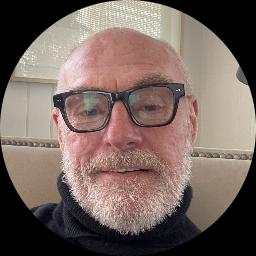
About John
John Dinauer is a licensed clinical social worker with thirty years of experience helping people cope with depression, anxiety, stress, and addiction. He provides supportive, direct care for people facing life changes and for members of the LGBT community. Sessions focus on practical steps to feel steadier and more in control.
He works with people feeling isolated or struggling with communication problems. He also helps those managing chronic illness, aging concerns, midlife transitions, and issues related to men's identity.
Background and approach
Addictive behaviors - including substance use and process addictions such as gambling or pornography - are a frequent focus. John favors clear, evidence-based therapeutic techniques tailored to each person. In sessions he aims to identify patterns that cause pain and then practice new ways to respond.
He keeps explanations simple and encourages small, achievable changes between meetings. Clients can expect a calm, nonjudgmental tone and straightforward tools for coping. He pays attention to relationship and sexual culture concerns, including kink and alternative relationship dynamics, and addresses related shame or secrecy in a respectful way.
John is licensed in Illinois as an LCSW - Licensed Clinical Social Worker. He offers sessions by video, phone, live chat, or text messaging to fit different schedules and preferences.
Evidence-based approaches and flexible online care
John uses well-established, evidence-based therapeutic techniques that focus on changing unhelpful thoughts and behaviors and on building coping skills. One common approach helps people identify thought patterns that worsen anxiety or depression and then practices practical ways to shift those thoughts. This method is useful for stress, mood concerns, and many forms of addiction.Another approach emphasizes behavioral change through small, repeated steps. It breaks larger problems into manageable actions and tracks progress over time. That style works well for recovery from substance use or process addiction and for rebuilding routines during life transitions.
Choosing the right approach is a collaborative process. The therapist will discuss options and tailor work to each person’s goals, preferences, and life context. Together they decide which techniques to try and adjust the plan as progress is made.
Online formats include video calls, phone sessions, live chat, and text-based messaging. Video lets people see facial expressions and body language, phone is useful when bandwidth is limited, live chat can be a shorter check-in, and messaging supports ongoing reflection between sessions. These options make it easier to fit therapy into busy schedules and to access licensed professionals from different locations.
Frequently asked questions
What issues does this therapist help with?
What is the therapy style like?
How much experience does the therapist have?
What credentials and location are listed?
Which languages are supported and can international clients join?
What session formats are available?
How are fees and payment handled?
How do I begin working with this therapist?
Specialties and expertise
Top specialties
Also works with
- Abandonment
- Aging and geriatric issues
- BDSM, kink, and alternative sex culture
- Chronic pain, illness, and disability
- Communication problems
- Coping with life changes
- Depression
- Drug and alcohol addiction
- HIV / AIDS
- Isolation / loneliness
- Life purpose
- Men's issues
- Midlife crisis
- Process addiction (porn, exercise, gambling)
- Sex addiction
- Experience
- 30 years
- Licensed
- Illinois
- Languages
- English