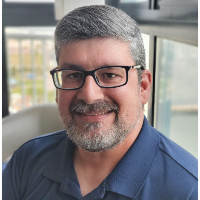
About John
John Daughtrey is a licensed social worker based in Maryland who combines practical talk therapy with body-aware methods. He draws on six years of clinical experience and earlier work helping children, youth, and adults to guide people through hard moments. His approach aims to make coping skills clear and usable for everyday life.
He uses therapies that focus on present experience and personal values. That can mean learning simple mindfulness skills to reduce anxious moments.
Background and approach
It can also mean using Acceptance and Commitment Therapy to help someone choose actions that match what matters most to them. John also works with therapies that address trauma and how memories get stuck. That includes EMDR, which uses guided eye movements and bilateral stimulation to help the brain reprocess painful memories.
He describes this as a way to reduce the intensity of past events so they take up less space in daily life. Sessions tend to be straightforward and collaborative. He helps people map out what they want to change and then practices small, practical steps together.
That might include strategies for managing anger, improving communication, or coping with grief and life transitions. John brings a calm, respectful manner to work on issues like anxiety, depression, ADHD, relationship and intimacy concerns, and identity questions related to LGBT matters. He offers multiple ways to connect so therapy can fit into a busy life.
His goal is to help people feel more able to handle current challenges and move toward their goals.
How therapeutic approaches translate to online care
Acceptance and Commitment Therapy helps people notice their thoughts and feelings without getting stuck in them, then take actions that match their values. It is useful for anxiety, depression, and life changes. Attachment-Based Therapy looks at how early relationships shape patterns today and helps build more supported ways of relating to others. It can be helpful for intimacy issues, communication problems, and attachment concerns. EMDR uses guided bilateral stimulation such as eye movements to help the brain reprocess traumatic memories and reduce their emotional charge, which can ease symptoms tied to past events.Finding the right approach is part of the work. The therapist will discuss goals and preferences and try methods that fit the person’s needs. This is a collaborative process and adjustments are made as progress and comfort levels become clear.
Online therapy offers flexible ways to connect. Video calls let people see facial cues and do more interactive work. Phone sessions use less bandwidth and can be easier when video is not possible. Live chat and text-based messaging support shorter check-ins, ongoing coaching, or people who prefer writing to speaking. These options make it simpler to fit therapy into work, school, or caregiving schedules while keeping the focus on practical change.
Frequently asked questions
What kinds of concerns can be addressed here?
How would therapy feel in session?
What is his professional background?
Where is the therapist located and what licenses are held?
Which languages are supported for sessions?
What session formats are available?
How are costs handled for sessions?
How do I begin working with this therapist?
Specialties and expertise
Top specialties
- Stress, Anxiety
- Trauma and abuse
- Anger management
Also works with
- ADHD
- Attachment issues
- Autism and Asperger Syndrome
- Career difficulties
- Communication problems
- Control issues
- Coping with life changes
- Depression
- Family conflicts
- Grief
- Guilt and shame
- Impulsivity
- Intimacy-related issues
- Isolation / loneliness
- LGBT
- Life purpose
- Parenting issues
- Post-traumatic stress
- Relationship issues
- Self esteem
- Self-love
- Social anxiety and phobia
- Workplace issues
- Young adult issues
Therapeutic approaches
- Experience
- 6 years
- Licensed
- Virginia, Maryland
- Languages
- English