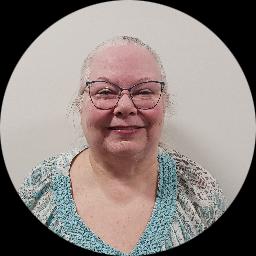
About Jacqueline
Jacqueline "Jacquie" Morrey is a licensed clinical social worker with 15 years of experience helping people manage stress, anxiety, depression, and the effects of trauma and abuse. She brings a warm, collaborative style to sessions and focuses on building a trusting relationship so clients feel heard and respected. Jacquie keeps work straightforward and practical.
She listens first, then helps people name what they are facing. Together they develop small, usable steps for coping and making change.
Background and approach
Her way of working is gentle but goal-oriented, aiming for better day-to-day functioning. Clients often seek her help for low self-esteem, overwhelming stress, or trouble with social anxiety and phobia. She also supports people dealing with guilt, shame, isolation, and questions about life purpose and self-love.
Sessions address both feelings and the everyday problems those feelings cause. Jacquie uses evidence-based techniques to help clients build insight and skills. She focuses on learning coping strategies, improving communication, and practicing new ways of responding to difficult thoughts and memories.
Progress is tracked in simple, practical ways so clients can see what is working. Jacquie holds an LCSW, which stands for Licensed Clinical Social Worker, and practices in Illinois. She offers a calm, nonjudgmental presence and aims to meet each person where they are.
The work is collaborative and paced to each client’s comfort and goals.
How evidence-based approaches work online
Jacquie uses evidence-based therapeutic techniques that focus on practical skills and understanding thoughts and feelings. One common method helps people identify unhelpful thinking patterns and test them with real-life experiments to reduce anxiety and low mood. Another method focuses on building coping skills and grounding techniques to manage stress and reactions to painful memories or triggers.Choosing the right approach is part of the work together. Jacquie will ask about goals, what has helped or not helped before, and personal preferences. Then she and the client will try strategies collaboratively and adjust them over time based on what feels most useful.
Online therapy offers several flexible ways to connect. Video calls let people use face-to-face time for deeper conversations and skill practice. Phone sessions can be easier when video is not possible or when bandwidth is limited. Live chat and text-based messaging work for shorter check-ins, progress reports, and quick coaching between sessions. These options make it easier to fit therapy into busy schedules while keeping focus on steady progress.
Frequently asked questions
What kinds of concerns can I bring to sessions?
How would you describe the therapy style?
What is her professional background?
Where is she licensed and practising?
Which languages are available for sessions?
What session formats are offered?
How does payment and cost work?
How do I begin working with her?
Specialties and expertise
Top specialties
Also works with
- Experience
- 15 years
- Licensed
- Illinois
- Languages
- English