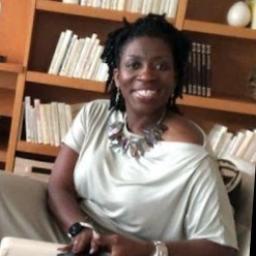
About Izetta
Izetta Gibson is a licensed clinical social worker in Oklahoma who helps people facing addictions, anger, low self-esteem, depression, and major life changes. She meets people where they are and focuses on practical steps to feel steadier day to day. Her sessions are calm and straightforward.
She encourages honest talk about what is hard right now and looks for small, doable changes. Many clients come with problems around communication, control, guilt, shame, or loneliness, and those topics come up often in her work.
Background and approach
Izetta uses talk-based methods that help people examine habits and try new ways of coping. She draws on Cognitive Behavioral Therapy to identify unhelpful thinking patterns, and on Dialectical Behavior Therapy for emotion regulation and tolerance skills. Client-Centered Therapy shapes how she listens and responds in sessions.
With 15 years of experience, she aims to make sessions practical. Conversations focus on skills, choices, and steps that fit each person's life. Money stress, workplace strain, and questions about life purpose are common themes she supports.
She offers a steady presence while people work through forgiveness, rebuild self-love, or make changes after setbacks. The first session is used to understand goals and plan a path forward. Izetta welcomes inquiries from English-speaking and international clients seeking online support.
How therapeutic approaches translate to online care
Client-Centered Therapy focuses on listening and responding to each person's experience. The therapist creates a nonjudgmental space and follows what the client wants to work on, which helps build trust even when meeting remotely.Cognitive Behavioral Therapy (CBT) looks at patterns of thought and behavior and teaches practical tools to change them. It is useful for depression, anxiety, and problems like low self-worth by breaking big problems into small, actionable steps.
Dialectical Behavior Therapy (DBT) offers skills for managing intense emotions and improving relationships. It can be helpful for anger, impulse control, and coping when life feels overwhelming.
Finding the right approach is a collaborative process. The therapist will talk with each person about goals and try methods that match their needs and preferences. Plans are adjusted as progress and feedback shape the work together.
Online therapy offers flexibility with video calls, phone sessions, live chat, or text-based messaging. Video is good for face-to-face connection, phone works when bandwidth is limited, live chat suits quick check-ins, and messaging supports brief updates or ongoing notes between visits. These options make it easier to fit therapy into a busy schedule and to keep continuity when life changes.
Frequently asked questions
What concerns does she commonly address?
How would you describe her therapeutic style?
What is her professional background?
What credentials and location are listed?
Which languages and international arrangements are supported?
What session formats are available?
How does cost and billing work?
What are the first steps to begin working together?
Specialties and expertise
Top specialties
- Addictions
- Anger management
- Self esteem
Also works with
Therapeutic approaches
- Experience
- 15 years
- Licensed
- Oklahoma
- Languages
- English