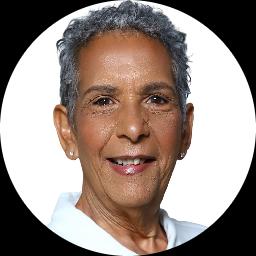
About Irenaida
Irenaida Diaz brings a client-centered approach to therapy and focuses on clear, practical help. She uses collaborative conversations to address addictions, trauma, eating concerns, ADHD, and LGBT-related issues. Irenaida works in English and Spanish and practices as a Florida licensed clinical social worker, LCSW.
She draws on four decades of experience to support people through difficult changes. Her sessions begin with listening to what matters most to each person. She then helps identify small, achievable steps toward the goals the client sets.
Background and approach
This straightforward style is helpful for people managing substance use, eating problems, trauma recovery, or questions about gender and identity. Irenaida also uses cognitive behavioral ideas to help clients spot unhelpful thoughts and test new behaviors. Solution-focused techniques are used when someone wants fast, practical ways to change routines or cope with stress.
When trauma is central, she applies trauma-focused methods to reduce distress and build safety in daily life. Clients often bring complex, overlapping concerns such as immigration stress, multicultural issues, codependency, or midlife transitions. Irenaida adapts pacing and focus to the person in front of her rather than a fixed program.
She aims to reduce shame and increase self-understanding while keeping action steps concrete. People who want coaching-style work alongside therapy may find her background useful for career and executive concerns. Those seeking help can expect direct, respectful conversation and clear options for next steps.
Approaches that shape online work
Client-centered therapy focuses on listening and following the person's agenda. It helps when someone needs a respectful, nonjudgmental space to name goals and gather strength. Cognitive behavioral therapy, or CBT, helps people spot thinking patterns that make life harder and test new behaviors to feel better. It is useful for anxiety, impulsivity, eating concerns, and many everyday challenges.Finding the right approach is part of the work. The therapist will collaborate with each person to choose methods that match their goals, needs, and preferences. That might mean blending client-centered listening with CBT tools or using solution-focused steps for quick changes. Decisions are made together and can be adjusted over time.
Online therapy offers flexibility through video calls, phone sessions, live chat, and text-based messaging. Video is useful for in-depth conversation and visual cues. Phone sessions can fit a break at work or when less bandwidth is available. Live chat and text messaging work for brief check-ins, homework support, or ongoing encouragement between longer sessions. These options help people access consistent care despite busy schedules or distance.
Frequently asked questions
What kinds of concerns does she help with?
What is her therapeutic style like?
How much experience does she have?
What are her credentials and location?
Can I work with her in another language or from abroad?
What session formats does she offer?
How does payment and cost work?
How do I begin working with her?
Specialties and expertise
Top specialties
Also works with
- ADHD
- Autism and Asperger Syndrome
- Blended family issues
- Coaching
- Codependency
- Commitment issues
- Drug and alcohol addiction
- Eating and food-related issues
- Eating disorders
- Gender dysphoria
- Guilt and shame
- HIV / AIDS
- Immigration issues
- Impulsivity
- Intellectual disability
- Midlife crisis
- Multicultural concerns
- Post-traumatic stress
- Prejudice and discrimination
- Process addiction (porn, exercise, gambling)
- Sex addiction
- Sexual assault and abuse
- Sexuality
- Women's issues
Therapeutic approaches
- Experience
- 40 years
- Licensed
- Florida
- Languages
- English, Spanish