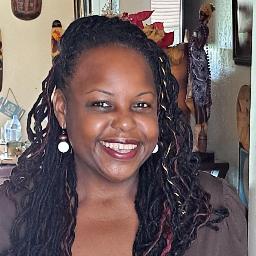
About Ingrid
Dr. Ingrid Nembhard helps people facing relationship strains, family conflict, career stress, grief, major life changes, and compassion fatigue. She also supports people working on self-esteem, money concerns, life purpose, and women's issues.
Dr. Nembhard is based in Florida and brings 20 years of clinical experience to her work. Her style is straightforward and practical.
She listens first and then focuses on clear, achievable steps. Sessions often center on communication skills, problem solving, and small changes that add up over time.
Background and approach
Clients can expect a mix of approaches tailored to their situation. Techniques from cognitive behavioral therapy help challenge unhelpful thoughts. Solution-focused strategies keep conversations goal-oriented and forward-moving.
Motivational interviewing is used to clarify values and find inner motivation for change. The therapist also uses client-centered methods to create a supportive space for reflection and growth. Dr.
Nembhard has worked with adoption and foster care concerns, blended family issues, caregiver stress, cancer-related worries, immigration and multicultural concerns, and family of origin topics. She also addresses communication problems, divorce or separation, forgiveness, and rebuilding after loss. People who choose her often want practical guidance and compassionate listening.
Her background includes an MD and licenses as LCSW-C and LCSW. She offers video calls, phone sessions, live chat, and text-based messaging to fit different needs.
How evidence-based approaches work online
Client-Centered Therapy focuses on listening and reflecting back what matters to you. It helps people feel heard and clarify their own goals before planning next steps. Cognitive Behavioral Therapy (CBT) looks at the link between thoughts, feelings, and actions and uses practical tasks to change unhelpful patterns. This approach is useful for managing mood, stress, and anxiety around life transitions.Finding the right approach is part of the work. The therapist will talk with each person about goals and preferences and then try approaches that fit those needs. That process is collaborative - adjustments are made as progress and challenges become clearer.
Online formats include video calls, phone sessions, live chat, and text-based messaging. Video lets people use body language and visual cues for deeper conversation. Phone sessions can be easier when bandwidth is limited or a shorter check-in is needed. Live chat and text messaging allow ongoing check-ins, brief coaching, and flexible communication between longer sessions. Together these options make it easier to fit therapy into work, caregiving, or busy schedules, while keeping the focus on practical steps and measurable progress.
Frequently asked questions
What kinds of concerns does this therapist help with?
How would you describe the therapeutic style?
How much professional experience does she have?
What credentials and location are listed?
Are sessions offered in other languages or internationally?
What session formats are available?
How does payment and cost work?
How do I begin working with this therapist?
Specialties and expertise
Top specialties
- Relationship issues
- Family conflicts
- Self esteem
Also works with
- Adoption and foster care
- Blended family issues
- Cancer
- Career difficulties
- Caregiver issues and stress
- Coaching
- Communication problems
- Compassion fatigue
- Coping with life changes
- Divorce and separation
- Family of origin issues
- Family problems
- Forgiveness
- Grief
- Immigration issues
- Life purpose
- Money and financial issues
- Multicultural concerns
- Self-love
- Women's issues
- Young adult issues
Therapeutic approaches
- Experience
- 20 years
- Licensed
- Florida, Maryland, Virginia
- Languages
- English