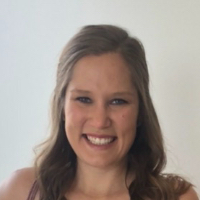
About Grace
Grace Davis is a licensed clinical social worker who uses practical, relationship-focused approaches to help people through hard times. She brings nine years of clinical experience and a calm, direct manner to conversations about stress, anxiety, grief, and depression. Grace writes treatment goals with each person and keeps sessions simple and goal-oriented.
She often pairs Attachment-Based ideas with Cognitive Behavioral Therapy to spot patterns in relationships and daily thinking. That helps when anxiety, low self-esteem, or social fears are getting in the way.
Background and approach
She also draws on Trauma-Focused work when people are coping with past abuse or neglect. Parents who are worn out by daily demands get focused support for parenting strain and compassion fatigue. Grace helps people sort communication problems, control issues, and family conflict without using lots of jargon.
She also addresses life transitions, career stress, and questions about purpose and isolation. Sessions aim to be interactive and practical. Grace follows the pace each person needs and builds a plan together with clear steps.
She explains ideas in plain language and checks in about how strategies feel in everyday life. Grace holds an LCSW - Licensed Clinical Social Worker - credential and carries Florida and North Carolina license numbers. She practices from Florida and offers sessions in English.
If someone is ready to begin, she guides them through scheduling and goal setting.
How her approaches work online and in session
Attachment-Based Therapy looks at how past and current relationships shape emotions and behavior. Online work can help people notice patterns in their close connections and try different ways of relating. Cognitive Behavioral Therapy, or CBT, focuses on the link between thoughts, feelings, and actions. It teaches practical skills to change unhelpful thinking and adjust everyday routines, which suits worries, low mood, and social anxiety.Finding the right mix of approaches is part of the work. The therapist will talk with each person about goals, symptoms, and preferences and then suggest a plan. That plan is adjusted as progress is made, so the approach evolves with the client and their needs.
Online sessions are offered by video calls, phone sessions, live chat, or text-based messaging to make therapy fit into busy days. Video lets people use face-to-face interaction and nonverbal cues. Phone calls are useful when bandwidth is limited or when being on camera feels difficult. Live chat and text messaging support shorter check-ins, ongoing problem solving, and tracking skills between sessions. These options make it easier to maintain continuity of care and practice new strategies in everyday life.
Frequently asked questions
What concerns does she help with?
What is her therapy style and approach?
How much clinical experience does she have?
What are her credentials and where does she practice?
Which languages are supported for sessions?
What session formats are available?
How much do sessions cost?
How do I begin working with her?
Specialties and expertise
Top specialties
- Stress, Anxiety
- Trauma and abuse
- Parenting issues
Also works with
- ADHD
- Anger management
- Attachment issues
- Career difficulties
- Communication problems
- Compassion fatigue
- Control issues
- Coping with life changes
- Depression
- Family conflicts
- Family problems
- Forgiveness
- Grief
- Guilt and shame
- Isolation / loneliness
- Life purpose
- Relationship issues
- Self esteem
- Self-love
- Social anxiety and phobia
Therapeutic approaches
- Experience
- 9 years
- Licensed
- Florida, North Carolina
- Languages
- English