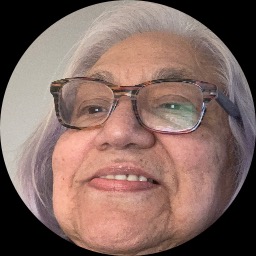
About Gloria
Gloria Sanchez is a licensed clinical social worker in Illinois with 28 years of practice. She focuses on helping people manage stress, anxiety, mood concerns, and trauma. Gloria speaks English and Spanish and aims to make first steps feel manageable and straightforward.
Her sessions start with listening. She creates a calm space where people can say what they are feeling without judgment. Sessions move at a person’s pace and focus on practical ways to cope with day-to-day stressors.
Background and approach
Gloria uses several therapeutic approaches to guide sessions. She draws on attachment-based ideas to look at how close relationships shape feelings. She uses cognitive behavioral tools to identify unhelpful thoughts and try new ways of coping.
She also incorporates EMDR when trauma memories need focused attention. People often come for help with relationship strain, parenting stress, grief from separation or divorce, and difficulties with self-worth. She also supports those managing bipolar symptoms, anger, and social anxiety by building steady routines and clearer communication skills.
Her style is warm and practical. Gloria works collaboratively to set goals and tries to keep exercises short and usable between sessions. She explains options in plain language and adjusts the plan as needs change.
For those unsure how to begin, she guides the intake and helps prioritize what to tackle first. The focus is on steady progress and learning skills that fit everyday life.
Therapeutic approaches that translate to online care
Gloria commonly uses attachment-based ideas to help people understand how their close relationships affect current feelings. This approach looks at patterns in bonds and aims to shift how people connect and respond to one another. It can help with relationship stress and communication problems.She also uses cognitive behavioral therapy, which focuses on identifying unhelpful thoughts and testing new behaviors. CBT is practical and often gives short exercises to try between sessions to reduce anxiety and low mood. For trauma work, EMDR is sometimes used to process distressing memories and reduce their emotional intensity.
Finding the right approach is a shared process. The therapist will talk with each person about goals, symptoms, and preferences, then try methods that seem to fit. Plans are adjusted over time based on what is helpful and what feels manageable for the client.
Online therapy offers flexible ways to meet. Video calls let people work face to face while staying at home, phone sessions are an option when bandwidth or screen time is limited, and live chat or text messaging can be used for shorter check-ins or to share thoughts between sessions. These formats make it easier to fit therapy into busy schedules and maintain momentum between meetings.
Frequently asked questions
What concerns does she usually address?
What is her therapeutic style like?
How much experience does she have?
What credentials and location are on file?
Which languages are supported for sessions?
What session formats are available?
How are fees and payment handled?
What steps are needed to begin working together?
Specialties and expertise
Top specialties
- Stress, Anxiety
- Trauma and abuse
- Anger management
Also works with
- Bipolar disorder
- Communication problems
- Control issues
- Coping with life changes
- Depression
- Divorce and separation
- Guilt and shame
- Isolation / loneliness
- Parenting issues
- Post-traumatic stress
- Relationship issues
- Self esteem
- Self-love
- Social anxiety and phobia
Therapeutic approaches
- Experience
- 28 years
- Licensed
- Illinois
- Languages
- English, Spanish