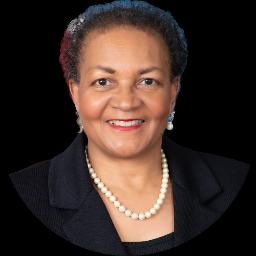
About Freda
Dr. Freda Shipman is a Licensed Clinical Social Worker with 25 years of hands-on experience helping people through hard life moments. She focuses on clear, practical support for worries like grief, anxiety, stress, relationship problems, and career or life changes.
Dr. Shipman works in Virginia and conducts sessions in English. Her work often centers on major life transitions such as retirement, caregiving, and coping with illness.
She also helps people manage anger, trauma and abuse recovery, parenting stress, and family communication issues.
Background and approach
Many clients seek her guidance around financial strain, life purpose, and planning for end-of-life matters. Dr. Shipman blends approaches that encourage honest conversation and practical steps.
She uses Client-Centered methods to listen and build trust, Cognitive Behavioral ideas to identify unhelpful thinking, and Solution-Focused strategies to set short-term goals. Motivational Interviewing and Internal Family Systems also appear in her toolbox when people want to explore inner parts or strengthen motivation. Sessions can take different forms to fit a person’s day.
Options include video calls, phone sessions, live chat, or text-based messaging so people can choose what works best. Costs vary by location and follow a subscription model that can be canceled at any time. To begin, a person selects the Start Therapy button, completes a short matching questionnaire, and schedules based on the therapist’s availability.
Dr. Shipman aims to work collaboratively and help people find concrete steps forward.
How these approaches translate to online therapy
Client-Centered Therapy focuses on listening closely and reflecting back what matters to a person. Online sessions use that same attention to help someone feel heard and to set priorities for change. Cognitive Behavioral Therapy, or CBT, helps identify patterns of thinking and behavior and then practices new ways of responding; this can work well in video or phone sessions where concrete tools and homework are shared.Finding the right approach is part of the work. The therapist will discuss a person's goals and preferences and then recommend methods to try together. That collaborative process means approaches can be adjusted over time to better fit what helps most.
Online formats offer practical benefits. Video calls allow face-to-face conversation and visual cues. Phone sessions can be easier when bandwidth or camera use is a concern. Live chat and text-based messaging make it simple to check in between appointments, send short updates, or do brief check-ins that fit a busy day. These options make therapy more flexible and easier to fit into real life while still focusing on meaningful progress.
Frequently asked questions
What concerns does this therapist address?
What style of therapy is used during sessions?
How much clinical experience does the therapist have?
What are the therapist's credentials and where are they based?
Are sessions offered in other languages or to international clients?
Which session formats are available for therapy?
How are sessions billed and what do they cost?
What steps are needed to begin working together?
Specialties and expertise
Top specialties
- Grief
- Self esteem
- Career difficulties
Also works with
- Aging and geriatric issues
- Anger management
- Autism and Asperger Syndrome
- Cancer
- Caregiver issues and stress
- Co-morbidity
- Coaching
- Communication problems
- Coping with life changes
- Divorce and separation
- Family conflicts
- Family of origin issues
- Family problems
- Forgiveness
- Hospice and end-of-life counseling
- Intellectual disability
- Life purpose
- Money and financial issues
- Parenting issues
- Relationship issues
- Self-love
- Stress, Anxiety
- Trauma and abuse
- Veteran and Armed Forces Issues
- Visually impaired
- Women's issues
- Workplace issues
Therapeutic approaches
- Experience
- 25 years
- Licensed
- North Carolina, Virginia
- Languages
- English