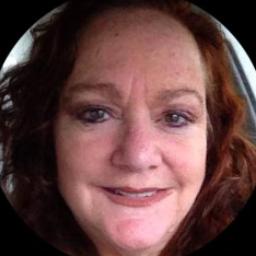
About Francine
Francine Sherwood is a licensed clinical social worker in Florida who helps people handle stress, anxiety, trauma, grief, and major life changes. She speaks English and Hebrew and brings more than three decades of experience to each conversation. Her approach is respectful and grounded, aimed at helping clients find workable steps forward.
Francine listens first and adapts the pace to each person. She focuses on what matters most to the client and builds practical plans that fit day-to-day life.
Background and approach
Sessions mix conversation, problem-solving, and skill-building depending on the situation. Her background spans work with loss, depression, trauma and abuse, and issues that often come with aging or chronic illness. She also addresses caregiver stress, body image concerns, eating issues, and challenges like isolation and impulsivity.
This breadth helps when problems overlap or change over time. Francine uses several approaches in her work, including client-centered methods that prioritize the client's perspective, cognitive behavioral ideas that target unhelpful thoughts and behaviors, and trauma-focused techniques when past hurt affects daily life. She draws on these tools to create focused plans and goals.
People who choose her often want steady guidance and real steps they can try between sessions. She encourages honest conversation and supports people as they test new ways of coping. Starting therapy is framed as a practical step toward clearer choices and better day-to-day functioning.
How her approaches translate to online care
Client-Centered Therapy focuses on listening and building the conversation around what the client says matters most. It helps people clarify goals, feel heard, and set steps they want to try. Cognitive Behavioral Therapy, or CBT, looks at unhelpful thoughts and habits and teaches practical tools to change them; it is often used for anxiety, depression, and stress. Trauma-Focused Therapy addresses how past hurts affect current life and offers structured ways to process those experiences while reducing their daily impact.Choosing the right approach is part of the work. The therapist will collaborate with each person to decide which methods fit their goals and preferences. That decision can change over time as new challenges or progress emerge, and the plan is adjusted together.
Online sessions are offered via video calls, phone, live chat, or text-based messaging to match different needs. Video is useful for deeper conversations where visual cues matter. Phone sessions can be easier when bandwidth is limited or when you prefer not to be on camera. Live chat and text are handy for short check-ins, quick strategy work, or fitting therapy into a busy day. These options make therapy more flexible and help people keep regular contact while balancing other responsibilities.
Frequently asked questions
Which concerns does she commonly help with?
What is her general therapy style?
How much experience does she have?
Where is she licensed and based?
Which languages are sessions offered in?
What formats are available for sessions?
How are fees and billing handled?
How do I begin a therapy relationship?
Specialties and expertise
Top specialties
Also works with
- Aging and geriatric issues
- Body image
- Caregiver issues and stress
- Chronic pain, illness, and disability
- Co-morbidity
- Communication problems
- Control issues
- Coping with life changes
- Coping with natural or human-caused disaster
- Depression
- Eating and food-related issues
- Forgiveness
- Guilt and shame
- Hospice and end-of-life counseling
- Impulsivity
- Isolation / loneliness
- Life purpose
- Mood disorders
- Obsessions, compulsions, and OCD
- Panic disorder and panic attacks
- Phobias
- Post-traumatic stress
- Self-love
- Sexual assault and abuse
- Social anxiety and phobia
- Veteran and Armed Forces Issues
Therapeutic approaches
- Experience
- 32 years
- Licensed
- Florida
- Languages
- English, Hebrew