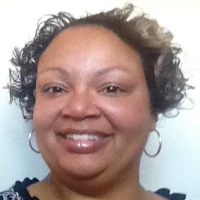
About Emily
Emily McIver is a licensed clinical social worker in Georgia who helps people facing anxiety, depression, trauma, addiction, and relationship or intimacy struggles. She offers straightforward, compassionate support for stress, anger, low self-esteem, and the fallout from betrayal or isolation. Her style is practical and down-to-earth, aimed at real change over time.
With 19 years of experience, McIver uses tools from Cognitive Behavioral Therapy and Motivational Interviewing to break unhelpful patterns and build clearer choices.
Background and approach
She also draws on Mindfulness Therapy to teach simple ways to calm the mind and manage strong feelings. Sessions focus on skills people can use between meetings, not just talk. Her work often centers on issues that commonly affect women, including self-love, life purpose, and navigating shame or guilt.
She also helps people who feel stuck by improving communication, repairing trust after infidelity, and coping with compassion fatigue. Emily keeps sessions goal-oriented and collaborative. She helps clients set small steps, track progress, and adjust plans when needed.
Conversations are straightforward and paced to the person’s needs. As a Georgia-based LCSW - Licensed Clinical Social Worker - Emily blends practical strategies with lasting insight. People come for tools to manage daily stress and for help rebuilding relationships or personal direction.
She meets clients where they are and works toward clearer, manageable next steps.
How Emily’s Methods Work Online
Mindfulness Therapy teaches simple attention and breathing practices to help reduce reactivity and stay present. It can be helpful for anxiety, stress, and regulating strong emotions during everyday moments. Cognitive Behavioral Therapy (CBT) looks at how thoughts and behaviors keep problems going and then tests small changes to shift those patterns. CBT is useful for depression, anxiety, and managing anger by building practical skills. Finding the right approach is part of the work. The therapist will collaborate with each person to choose and adapt methods based on their goals and what feels helpful. Treatment can shift over time as needs change. Online sessions offer practical flexibility. Video calls let people maintain visual connection for relational work and teaching new skills. Phone sessions can be an easier fit when bandwidth is limited or a quieter check-in is needed. Live chat and text-based messaging provide short, frequent touchpoints for problem-solving, tracking progress, and staying accountable between sessions. Across formats, the focus remains on clear goals, skill practice, and real-life application. These options make it easier to fit therapy into a busy life while working toward steady, manageable change.Frequently asked questions
What kinds of concerns does Emily help with?
How would you describe her approach in sessions?
What is her professional background?
What credentials and location should I know about?
Are sessions available in other languages or internationally?
What session formats are offered for online work?
How are fees and payment handled?
How do I begin if I want to work with her?
Specialties and expertise
Top specialties
- Addictions
- Relationship issues
- Intimacy-related issues
Also works with
Therapeutic approaches
- Experience
- 19 years
- Licensed
- Georgia
- Languages
- English