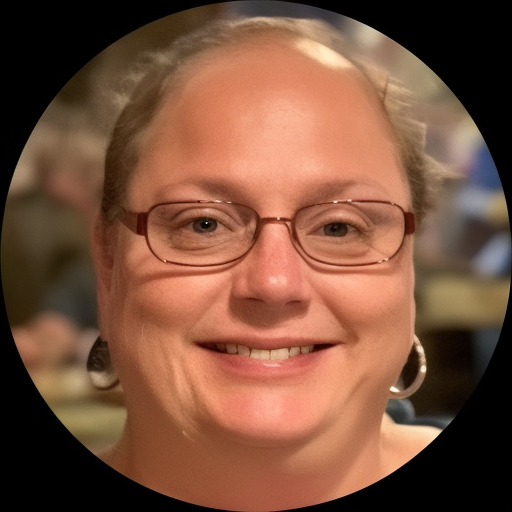
About Elizabeth
Elizabeth Feagin is a licensed clinical social worker with 13 years of experience helping people navigate stress, anxiety, addiction, trauma, and depression. She works from a practical, down-to-earth stance and focuses on what a person needs now. Her goal is to help people find clear next steps they can use in daily life.
Before moving into independent practice she spent many years at the VA, where she worked with people facing mental health and substance use challenges.
Background and approach
That background informs a straightforward style and an ability to talk about trauma and post-traumatic stress in plain language. She draws on work with addiction and mood disorders when clients want help around drug or alcohol problems. In sessions she uses approaches that center the person, help identify unhelpful thinking patterns, and build motivation for change.
She also uses brief, goal-focused methods to create manageable plans and small steps forward. Clients who prefer clear structure alongside warm listening often find this combination useful. Elizabeth works with people dealing with relationship strain, loneliness, questions about life purpose, and the emotional impacts of trauma.
She also addresses issues related to veterans and armed forces experiences. Sessions aim to reduce overwhelm and create practical tools to handle difficult moments. Therapy is offered in English and is delivered remotely by phone, video, live chat, or text-based messaging.
Costs vary by location and subscription terms, which can be canceled at any time. To begin, users complete a short matching questionnaire and schedule based on the therapist's availability.
Approaches that translate well to online care
Client-Centered Therapy focuses on listening closely and following the person's lead. The therapist reflects back what matters to the client and helps them name goals and values. Cognitive Behavioral Therapy, or CBT, looks at the link between thoughts, feelings, and actions and teaches skills to change unhelpful thinking and behavior. It is useful for anxiety, depression, and mood concerns.Choosing the right approach is a collaborative process. The therapist will talk with the client about goals, life context, and preferred ways of working. Together they adjust methods over time so sessions stay relevant and helpful.
Online sessions are offered by video calls, phone, live chat, or text-based messaging to fit different needs. Video is useful when visual connection matters and for deeper conversation. Phone sessions can be easier when bandwidth is limited or a quicker check-in is needed. Live chat and messaging let people keep momentum between sessions and fit short check-ins into busy days. These options make it easier to maintain consistency and access care from varied locations.
Frequently asked questions
What concerns does this therapist address?
What is her therapeutic style?
How long has she been practicing?
Where is she based and what are her credentials?
Which languages are supported?
What session formats are available?
How are sessions billed?
How do I get started?
Specialties and expertise
Top specialties
- Stress, Anxiety
- Addictions
- Relationship issues
Also works with
Therapeutic approaches
- Experience
- 13 years
- Licensed
- Florida
- Languages
- English