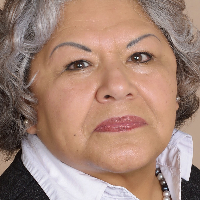
About Eliana
Eliana Downing is a licensed clinical social worker who offers short-term and long-term support for people facing tough life moments. She holds an LCSW and practices in Nevada, working with individuals across a wide range of concerns. She speaks English and Spanish and accepts international clients.
She focuses on problems such as anxiety, depression, trauma and abuse, stress, addictions, grief, and self-esteem struggles. Relationship and parenting concerns are part of her work, as are career stress and coping with major life changes.
Background and approach
She also supports people dealing with first responder issues, gender dysphoria, immigration challenges, and multicultural stressors. Her style is collaborative and down-to-earth. She listens first, then helps people identify practical steps that fit their daily lives.
Sessions aim to balance emotional processing with skills that can be used between meetings. Eliana uses a mix of approaches including acceptance and commitment ideas, client-centered techniques, cognitive behavioral tools, emotionally-focused work, and mindfulness practices. She adapts methods to each person’s needs rather than relying on a single technique.
Clients can expect a respectful, culturally aware environment where identity and background are treated as part of the therapy process. She works with people experiencing prejudice, postpartum distress, personality concerns, hospice and end-of-life questions, hoarding, and infidelity, tailoring support to each situation.
Therapeutic approaches that work online
Acceptance and Commitment Therapy (ACT) emphasizes identifying personal values and taking committed steps toward them. It often helps when people feel stuck by worry, depression, or life transitions and want a values-based way forward. Cognitive Behavioral Therapy (CBT) focuses on spotting unhelpful thoughts and testing them with real-world experiments. It tends to be useful for anxiety, depression, and for building day-to-day coping skills. Emotionally-Focused Therapy (EFT) concentrates on emotions and attachment needs in close relationships, helping people clarify feelings and improve connection when relationship pain is present.Finding the right approach is part of the work. The therapist will talk with each person about goals and preferences, and then try methods that match those aims. This collaborative process allows adjustments over time so the approach fits practical needs as well as emotional ones.
Online formats include video calls, phone sessions, live chat, and text-based messaging, which make therapy more flexible. Video lets people keep visual connection and work through deeper material. Phone or chat can fit shorter check-ins or times with limited bandwidth. Text and messaging support ongoing reflection between sessions and quick check-ins when life gets busy. These options help people fit therapy into work, caregiving, or travel schedules while maintaining continuity of care.
Frequently asked questions
What kinds of concerns can be addressed in sessions?
How would you describe her therapeutic style?
What is her background and experience?
What credentials and location are associated with this therapist?
Which languages does she offer sessions in?
What session formats are available for therapy?
How does pricing work for sessions?
What steps should I take to begin working together?
Specialties and expertise
Top specialties
- Stress, Anxiety
- Relationship issues
- Family conflicts
Also works with
- Addictions
- Anger management
- Bipolar disorder
- Career difficulties
- Compassion fatigue
- Coping with life changes
- Depression
- First responder issues
- Gender dysphoria
- Grief
- Hoarding
- Hospice and end-of-life counseling
- Immigration issues
- Infidelity
- LGBT
- Multicultural concerns
- Parenting issues
- Personality disorders
- Postpartum depression
- Prejudice and discrimination
- Self esteem
- Trauma and abuse
Therapeutic approaches
- Experience
- 3 years
- Licensed
- Utah, Nevada
- Languages
- English, Spanish