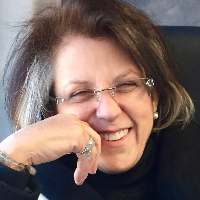
About Elena
Dr. Elena Felipe-Valera helps people facing stress, anxiety, depression, grief, trauma, and life changes. She supports concerns around relationships, intimacy, self-esteem, career decisions, and issues related to LGBT identity.
She also works with people dealing with compassion fatigue, ADHD, and challenges tied to chronic illness or caregiving. She uses a practical, person-centered style in sessions. Conversations focus on what matters most to the individual.
Elena listens closely, helps name problems, and tries out clear steps clients can use between meetings.
Background and approach
Her background spans more than two decades in practice. She holds a Licensed Clinical Social Worker credential - LCSW - and brings experience with trauma work and life coaching. That mix shapes how she blends long-term healing with immediate tools for coping.
Elena draws from several therapy approaches to match a person’s needs. She may use client-centered methods to build trust, narrative techniques to reframe difficult stories, and EMDR for trauma-related symptoms when appropriate. Sessions aim to be collaborative and goal-focused.
She speaks English and Spanish and practices from Georgia. Her work also considers aging and geriatric needs, cancer and hospice-related concerns, first responder stress, chronic pain and illness, dissociation, and midlife or life-purpose questions. Practical steps and steady support are central to her approach.
Therapeutic approaches adapted for online work
Client-Centered Therapy focuses on building a trusting conversation where the client sets the pace and topics. It helps people who need a safe space to talk through feelings, decisions, and relationship struggles. EMDR - Eye Movement Desensitization and Reprocessing - is used for trauma-related symptoms and involves guided attention to reduce the intensity of traumatic memories when appropriate. Narrative Therapy helps people rewrite the stories they tell about themselves, which can reduce shame and open new choices.Choosing the right approach is part of the work together. The therapist will talk with each person about goals, preferences, and what feels most useful. That makes therapy a collaborative process where methods can shift over time based on progress and comfort.
Online sessions are offered by video calls, phone, live chat, or text-based messaging to make therapy more flexible. Video calls are useful for face-to-face conversation and visual cues. Phone sessions can fit into a short break or when bandwidth is limited. Live chat and text messaging allow shorter check-ins and ongoing support between longer sessions.
Frequently asked questions
What kinds of problems does she help with?
How would you describe her therapy style?
What experience does she bring to sessions?
Where is the therapist located and what are her credentials?
Which languages are supported for sessions?
In what formats are sessions offered?
How is cost structured for sessions?
What are the first steps to begin working together?
Specialties and expertise
Top specialties
Also works with
- ADHD
- Aging and geriatric issues
- Anger management
- Cancer
- Career difficulties
- Caregiver issues and stress
- Chronic pain, illness, and disability
- Coaching
- Compassion fatigue
- Coping with life changes
- Coping with natural or human-caused disaster
- Depression
- Dissociation
- Family conflicts
- First responder issues
- Grief
- Hospice and end-of-life counseling
- Intimacy-related issues
- Life purpose
- Midlife crisis
- Post-traumatic stress
- Relationship issues
- Self esteem
- Self-love
- Sexuality
- Social anxiety and phobia
- Women's issues
- Workplace issues
Therapeutic approaches
- Experience
- 23 years
- Licensed
- Florida, Georgia, Tennessee
- Languages
- English, Spanish