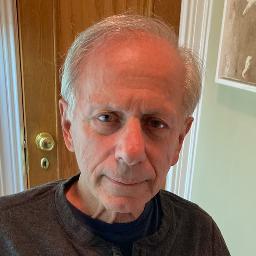
About Edward
Edward Sukenick uses psychodynamic therapy to help people understand patterns that shape their feelings and choices. He draws on four decades of clinical experience to guide conversations that aim to make thoughts and reactions easier to notice and talk about. Edward is a licensed clinical social worker, LCSW, and practices in New York.
Sessions focus on tracing where feelings come from and how past experiences influence today's relationships. He helps people notice where they end and someone else begins so they can respond differently.
Background and approach
That often means paying attention to repeated reactions that cause stress or hurt intimacy. Many people come for help with addictions, compulsive behaviors, or process-related problems like gambling or pornography. He also supports people dealing with anxiety, stress, low self-esteem, anger, and work-related difficulties.
Concerns around identity, LGBT issues, and the strain of separation or divorce are part of his caseload as well. Edward works with deeper personality issues too, including dependent traits, narcissistic patterns, obsessions and compulsions, paranoia, and other personality disorder concerns. He addresses feelings of guilt, shame, and self-harm urges when they arise.
Treatment aims to make troubling patterns clearer so different choices become possible. Therapy is offered in English and is available to international clients. Sessions can be scheduled via video call, phone, live chat, or text messaging.
To begin, a short matching questionnaire and scheduling step are used to connect people with his practice.
Psychodynamic approaches and online care
Psychodynamic therapy helps people notice how early relationships and repeated patterns affect current moods and choices. It focuses on making unconscious patterns more visible so a person can respond differently to stress, intimacy issues, or recurring conflicts.Over time this work can shed light on compulsive behaviors and addictions by looking at the feelings that drive those actions. That perspective can help when addressing process addictions, obsessive-compulsive patterns, or long-standing anger and shame.
Finding the right approach is part of therapy and will be decided together. The therapist will listen to your concerns, discuss goals, and recommend how psychodynamic work might fit your needs. Decisions about pacing and focus are collaborative and adjusted as progress is made.
Online sessions are offered via video calls, phone, live chat, or text-based messaging to make therapy more flexible. Video is useful for deeper conversations and emotional work, while phone sessions suit those with limited bandwidth or who prefer not to be on camera. Live chat or text messaging can be a good option for shorter check-ins, notes between sessions, or when a written format feels easier. These options help fit therapy into busy lives and different time zones.
Frequently asked questions
What issues does Edward help with?
What is his therapeutic style like?
How much clinical experience does he have?
What credentials and location are listed?
Which languages are sessions offered in?
What session formats are available?
How are fees and billing handled?
How do I start a session with him?
Specialties and expertise
Top specialties
- Addictions
- Relationship issues
- Family conflicts
Also works with
- Anger management
- Career difficulties
- Coping with life changes
- Dependent personality
- Divorce and separation
- Family problems
- Guilt and shame
- Intimacy-related issues
- LGBT
- Narcissism
- Obsessions, compulsions, and OCD
- Paranoia
- Personality disorders
- Prejudice and discrimination
- Process addiction (porn, exercise, gambling)
- Self esteem
- Self-harm
- Sex addiction
- Stress, Anxiety
- Workplace issues
Therapeutic approaches
- Experience
- 40 years
- Licensed
- New York
- Languages
- English