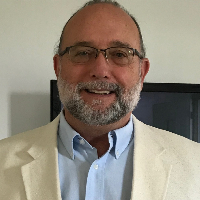
About Donald
Donald Rindfuss is a Licensed Clinical Social Worker who brings 15 years of practice to conversations about difficult life moments. He offers calm, practical support for people coping with loss, addiction, anxiety, or big life changes. He writes plainly and listens closely to what matters most to each person.
He trained at the University of Pittsburgh where he earned a Master of Social Work degree. Over his career he has worked in addiction treatment, inpatient rehab, and with veterans at the Veterans Administration.
Background and approach
Those settings shaped his steady, down-to-earth way of working with stress, grief, and trauma. Donald leans on several approaches in sessions. He uses acceptance and commitment ideas to help people clarify values and take small steps, and cognitive behavioral tools to spot patterns of thinking that keep pain going.
He also brings mindfulness and meditation practices into conversations for managing anxiety and mood. Sessions tend to be relaxed and practical. He often pairs coaching-style prompts with grounded breathing or simple mindfulness exercises.
People can expect clear suggestions to try between visits and space to talk about setbacks without pressure. Donald works with concerns such as addiction, process addictions, trauma and abuse, grief, depression, anger, low self-esteem, caregiver stress, and issues that arise in midlife. He also offers support around career questions, life purpose, and end-of-life or hospice-related needs.
He holds a Pennsylvania LCSW credential and provides services in English. International clients can be seen, and sessions are offered through a mix of video, phone, chat, and messaging formats.
Approaches that fit online care
Acceptance and Commitment Therapy helps people identify what matters and take small value-driven actions. It can be useful for depression, anxiety, and life-direction questions by turning goals into practical steps. Cognitive Behavioral Therapy focuses on spotting and changing unhelpful thinking and behavior patterns. It is often used to address anxiety, mood problems, and reactive patterns like anger or avoidance. Mindfulness Therapy brings simple breathing and attention exercises into sessions to reduce stress and manage intense emotions such as panic or grief.Finding the best approach is part of the work together. The therapist will talk with each person about goals, preferences, and what has or hasn’t helped before. From there he will suggest a mix of methods and adjust them as progress is made, so the plan stays collaborative and tailored.
Online therapy gives flexibility for different needs. Video calls allow face-to-face conversation and shared exercises. Phone sessions can be easier when bandwidth is limited or for quick check-ins. Live chat and text messaging are useful for short updates, coaching prompts, or when someone prefers writing between sessions. These options make it easier to fit therapy into mornings, work breaks, or evenings without travel.
Frequently asked questions
What kinds of concerns does he address?
How would you describe his therapeutic style?
What is his background and experience?
What credentials and location are on record?
Which languages and international options are available?
What session formats does he offer?
How is cost handled for sessions?
What are the first steps to begin working together?
Specialties and expertise
Top specialties
Also works with
- Abandonment
- Aging and geriatric issues
- Anger management
- Career difficulties
- Caregiver issues and stress
- Coaching
- Codependency
- Commitment issues
- Compassion fatigue
- Coping with life changes
- Depression
- Drug and alcohol addiction
- Emptiness
- Forgiveness
- Grief
- Guilt and shame
- Hospice and end-of-life counseling
- Life purpose
- Men's issues
- Midlife crisis
- Process addiction (porn, exercise, gambling)
- Self esteem
- Social anxiety and phobia
- Stress, Anxiety
- Veteran and Armed Forces Issues
- Workplace issues
Therapeutic approaches
- Experience
- 15 years
- Licensed
- Pennsylvania
- Languages
- English