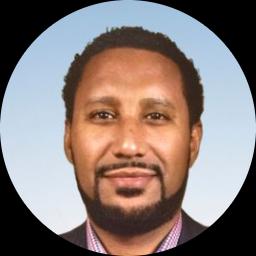
About Dimas
Dr. Dimas Tollinchi-Castro brings more than 20 years of clinical experience to his practice. He is a Clinical Doctor of Social Work and holds a Licensed Clinical Social Worker (LCSW) credential.
He works from New York and offers help in both English and Spanish. He focuses on common and painful problems like stress, anxiety, depression, addictions, trauma and relationship struggles. He also addresses attachment concerns, body image, caregiver stress, communication problems, control issues, and feelings of isolation or shame.
Background and approach
He aims to make conversations in therapy clear and practical. Sessions are straightforward and goal-oriented. He helps people talk through what feels most urgent, build coping steps, and try small changes that matter day to day.
He draws on evidence-based therapeutic techniques to guide those steps rather than relying on jargon. Dr. Tollinchi-Castro describes his approach as culturally responsive and aware of the realities many clients face in New York.
He mentions work with underserved and marginalized groups and with law-enforcement and veterans in his background. That experience informs how he listens and suggests plans that fit each person’s life. People looking for help can expect a calm, direct clinician who values practical problem solving.
He invites clients to set clear goals and to adjust the work as needed. His bilingual skills help Spanish- and English-speaking clients connect more easily.
Practical approaches and online access for everyday struggles
Dr. Tollinchi-Castro uses evidence-based therapeutic techniques that focus on clear steps and problem solving. One common approach emphasizes building concrete coping skills to reduce anxiety and manage panic attacks; it teaches breathing, grounding, and short routines that can be practiced between sessions. Another approach centers on processing trauma and painful experiences in manageable pieces so symptoms like hypervigilance and intrusive memories become easier to handle over time.Choosing the right approach is a collaborative process. The therapist will talk with each person about goals, history, and preferences, then try methods that match those needs. If something isn’t working, he adjusts the plan so sessions keep moving toward practical change.
Online therapy offers flexibility for busy lives. Video calls allow face-to-face conversation when visual cues help the work. Phone sessions can be easier when bandwidth or camera use is a concern. Live chat and text-based messaging are useful for brief check-ins, homework support, or when a shorter contact fits someone’s schedule. These options make it simpler to keep therapy consistent across work, caregiving, and travel demands.
Frequently asked questions
What concerns does he commonly address?
How would you describe his therapeutic style?
What is his professional background?
Where is he based and what credentials does he hold?
Which languages are offered for sessions?
What session formats are available?
How does cost and billing work?
How do I begin working with him?
Specialties and expertise
Top specialties
- Stress, Anxiety
- Addictions
- Relationship issues
Also works with
- Experience
- 20 years
- Licensed
- New York
- Languages
- English, Spanish