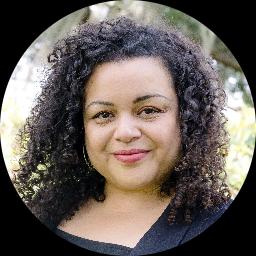
About Diana
Diana Soto is a Licensed Clinical Social Worker who helps people facing stress, anxiety, depression, trauma, relationship concerns, parenting challenges, and problems with self-esteem. She has 17 years of experience supporting people through life changes, grief, anger, and intimacy-related issues. Diana aims to make the first steps toward help feel manageable and straightforward.
Her approach is warm and practical. Sessions focus on what you want to change and on small steps that fit your life.
Background and approach
She listens without judgment and works collaboratively to set realistic goals. Diana uses a mix of methods to match each person’s needs and strengths. In sessions she draws from client-centered work to keep conversations focused on your experience.
Cognitive Behavioral Therapy helps identify thought patterns that get in the way and offers concrete tools to shift them. Mindfulness strategies are used to build present-moment awareness and reduce reactivity. Diana also uses solution-focused and motivational techniques when clients want short-term tools and clear progress markers.
This can be useful for career decisions, coping with transitions, and improving daily routines. Trauma-informed steps are included for those processing painful events, always paced to the individual. She practices in Florida and works with people from diverse backgrounds.
Sessions are offered in English and are available through multiple online formats to fit different schedules and needs.
How therapeutic approaches work online
Client-Centered Therapy focuses on the person’s own experience and goals. The therapist listens deeply and helps people name what matters most, which can be useful for building confidence and direction. Cognitive Behavioral Therapy (CBT) looks at how thoughts, feelings, and actions connect and gives practical exercises to change patterns that cause distress. CBT tends to help with anxiety, depression, and stress by offering tools to test and shift unhelpful thinking.Finding the right approach is part of the work. The therapist will talk with each person about goals, needs, and preferences and then shape sessions accordingly. This collaborative process means methods can be adjusted over time if something else would fit better.
Online formats make it easier to fit therapy into a busy life. Video calls let people work face-to-face from different locations. Phone sessions can be quicker to join and need less bandwidth. Live chat or text-based messaging supports shorter check-ins and between-session contact. These options give flexibility for scheduling, daily routines, and different communication styles while keeping the focus on steady progress.
Frequently asked questions
What kinds of concerns does Diana help with?
What is her general therapy style?
How much clinical experience does she have?
Is she a licensed professional and where is she based?
Which languages are offered for sessions?
What session formats are available?
How are sessions paid for and what does cost look like?
How do I begin working with her?
Specialties and expertise
Top specialties
- Stress, Anxiety
- Anger management
- Career difficulties
Also works with
- Body image
- Caregiver issues and stress
- Control issues
- Coping with life changes
- Depression
- Dissociation
- Divorce and separation
- Domestic violence
- Family conflicts
- Family problems
- Forgiveness
- Guilt and shame
- Hospice and end-of-life counseling
- Intimacy-related issues
- Isolation / loneliness
- Mood disorders
- Multicultural concerns
- Parenting issues
- Postpartum depression
- Relationship issues
- Self esteem
- Self-harm
- Self-love
- Trauma and abuse
- Women's issues
Therapeutic approaches
- Experience
- 17 years
- Licensed
- Florida
- Languages
- English