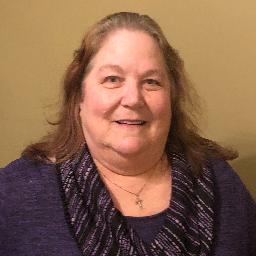
About Debra
Debra Pittman greets people with calm and practical support. She is a Licensed Certified Social Worker, LCSW, practicing in Arkansas. She listens first, then helps clients set clear, realistic goals.
Her style is warm and non-judgmental, with a focus on everyday steps that make life easier. Debra has about 17 years of experience helping people recover from trauma and abuse, manage anxiety and depression, and handle major life changes. She also addresses concerns like bipolar mood swings, sleep problems, anger, and parenting stress.
Background and approach
Her work includes support for ADHD, grief, and family-related struggles such as blended family issues and attachment questions. Sessions are collaborative and tailored to each person. Debra uses methods that focus on the person in front of her, helping them tell their story and build practical skills.
She combines solution-focused steps with mindfulness and cognitive tools to reduce distress and improve daily functioning. Clients can expect straightforward strategies, education about emotions and coping, and help making a step-by-step plan. Debra emphasizes strengths and small, manageable changes rather than quick fixes.
She aims to empower people so they feel more confident handling hard moments. Her background includes long-term social work practice in Arkansas and a steady focus on trauma-informed care and mood disorders. Debra meets clients where they are and supports them as they work toward clearer routines, better sleep, and steadier moods.
Therapeutic approaches for online care
Debra often draws on client-centered work, Cognitive Behavioral Therapy, and mindfulness practices in online sessions. Client-centered work focuses on listening and following the person’s lead so goals reflect their priorities. Cognitive Behavioral Therapy looks at how thoughts, feelings, and actions connect and teaches concrete techniques to change unhelpful patterns. Mindfulness work helps people notice their experience in the moment and learn simple practices to reduce reactivity and manage stress.Choosing the right approach is part of the therapy itself. Debra will talk with the client about needs, goals, and preferences, and together they will try methods that fit. She treats the process as collaborative and adjusts methods as progress and feedback indicate.
Online formats include video calls, phone sessions, live chat, and text-based messaging. Video sessions allow face-to-face conversation and visual cues. Phone sessions can be a good option when bandwidth is limited or when someone prefers not to be on camera. Live chat and text messaging work well for brief check-ins, skill practice between sessions, or when writing out thoughts feels easier. These options make it simpler to fit therapy into work, school, or busy family routines.
Frequently asked questions
What concerns does Debra help with?
What is her therapeutic style like?
How much experience does she have?
What are her credentials and where is she based?
Which languages are supported for sessions?
What session formats are available?
How does cost and billing work?
How do I begin working with Debra?
Specialties and expertise
Top specialties
- Trauma and abuse
- Anger management
- Self esteem
Also works with
- Abandonment
- ADHD
- Adoption and foster care
- Attachment issues
- Bipolar disorder
- Blended family issues
- Control issues
- Coping with life changes
- Coping with natural or human-caused disaster
- Depression
- Disruptive Mood Dysregulation Disorder (DMDD)
- Drug and alcohol addiction
- Family conflicts
- Family problems
- Forgiveness
- Grief
- Guilt and shame
- Impulsivity
- Mood disorders
- Obsessions, compulsions, and OCD
- Panic disorder and panic attacks
- Parenting issues
- Phobias
- Post-traumatic stress
- Seasonal Affective Disorder (SAD)
- Self-harm
- Sexual assault and abuse
- Sleeping disorders
- Social anxiety and phobia
- Stress, Anxiety
- Trichotillomania
- Young adult issues
Therapeutic approaches
- Experience
- 17 years
- Licensed
- Arkansas
- Languages
- English