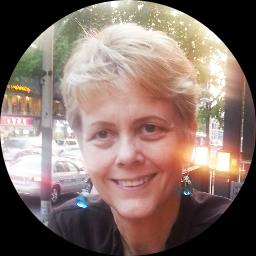
About Debra
Debra Morrison-Orton is a licensed clinical social worker with 38 years of experience helping people manage stress and anxiety. She supports individuals coping with addictions, relationship strain, grief, and loss. Debra also focuses on compassion fatigue and offers a calm, respectful presence for difficult conversations.
She tailors conversations and plans to each person’s needs. Sessions are practical and focused on what helps day to day. Debra listens for what matters most and adjusts pace and goals as needed.
Background and approach
Her background includes long experience in settings where people face chronic health challenges and caregiving stress. That work informs how she helps with chronic pain, serious illness, and end-of-life concerns. She also knows issues that come up around aging and hospice care.
Debra has supported people dealing with addiction, domestic violence, and the fallout of family-of-origin problems. She brings experience working with first responder issues, disaster recovery, and the heavy feelings of guilt, shame, and emptiness. People who want help with life purpose, isolation, or caregiving strain will find a steady guide in her.
She offers sessions in English and is licensed in Texas as an LCSW. Her approach is practical, patient, and focused on the next right step.
Evidence-based techniques and online care
Debra uses evidence-based therapeutic techniques that focus on clear tools and steady support. One approach emphasizes coping skills for stress and anxiety so people learn short, practical steps to reduce overwhelm and manage daily triggers. Another approach concentrates on recovery from addiction and harmful habits by identifying patterns and building new routines that support sustained change.Choosing the right approach is a collaborative process. The therapist will talk with each person about their goals, preferences, and what has or hasn’t helped before. Together they decide which techniques to try and adjust the plan as progress is made or needs change.
Online sessions are offered by video call, phone, live chat, or text-based messaging to make care more flexible. Video calls let people use visual cues during deeper conversations. Phone sessions work well when bandwidth is limited or for a quick check-in. Live chat and text are useful for short updates, coping prompts, or when someone needs support between longer meetings. These options help fit therapy into busy lives and different schedules.
Frequently asked questions
What concerns does this therapist address?
How does she approach therapy?
How much experience does she have?
Where is she licensed and based?
Can I work with her if I live outside the United States?
What session formats are available?
How much do sessions cost?
How do I begin working with her?
Specialties and expertise
Top specialties
- Stress, Anxiety
- Addictions
- Relationship issues
Also works with
- Aging and geriatric issues
- Cancer
- Caregiver issues and stress
- Chronic pain, illness, and disability
- Compassion fatigue
- Coping with natural or human-caused disaster
- Domestic violence
- Drug and alcohol addiction
- Emptiness
- Family of origin issues
- First responder issues
- Forgiveness
- Grief
- Guilt and shame
- Hospice and end-of-life counseling
- Isolation / loneliness
- Life purpose
- Midlife crisis
- Panic disorder and panic attacks
- Post-traumatic stress
- Sexual assault and abuse
- Women's issues
- Workplace issues
- Young adult issues
- Experience
- 38 years
- Licensed
- Texas
- Languages
- English