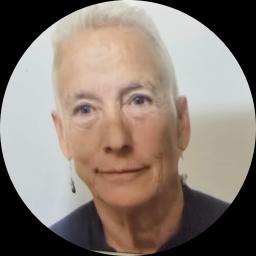
About Debra
Debra Alberts is a licensed clinical social worker with 26 years of experience in Arkansas. She focuses on helping people manage anxiety, depression, trauma, and major life changes. Her manner is direct but caring, and she works alongside clients to set clear goals and practical steps.
Debra uses evidence-based therapeutic techniques and adapts them to each person's needs. Sessions are collaborative; she offers honest feedback, concrete suggestions, and homework when it helps.
Background and approach
The aim is to reduce overwhelming symptoms and rebuild day-to-day functioning. Common concerns she addresses include panic attacks, post-traumatic stress, social anxiety and phobia, and coping with isolation or loneliness. She also helps people work through caregiver stress, control issues, and the emotional impacts of divorce and separation.
LGBT concerns and women’s issues are listed among her areas of focus. Debra pays attention to feelings of abandonment, guilt and shame, and struggles with self-worth. She supports people seeking greater life purpose and healthier ways to communicate.
Her approach often includes practical skills for managing intense emotions and improving relationships. Clients connect with her by video, phone, chat, or text-based messaging. She guides new clients through a short matching process and scheduling based on availability.
As an Arkansas LCSW she brings long-term clinical experience while tailoring care to what each person needs.
How evidence-based techniques translate to online care
Debra commonly uses evidence-based therapeutic techniques that focus on practical skills and step-by-step change. One approach emphasizes exposure and skills for reducing panic and social anxiety by practicing manageable steps that build confidence over time. Another approach focuses on trauma-related symptoms and teaches grounding and emotion-regulation skills to reduce overwhelm and improve day-to-day coping.Choosing the best approach is a collaborative process. The therapist will work with the client to identify goals and try methods that fit those goals and the person’s style. Adjustments are made as progress is tracked, so the plan can change if something isn’t working.
Online sessions offer flexibility and several ways to connect. Video calls allow face-to-face conversation and visual cues. Phone sessions work well when people have limited bandwidth or prefer not to be on camera. Live chat and text-based messaging make it easier to check in between sessions, do shorter updates, or fit therapy around a busy day. These options make it simpler to maintain continuity of care and practice new skills in real life.
Frequently asked questions
What kinds of issues does this therapist help with?
What is the therapy style like?
How much experience does she have?
What credentials and location are listed?
Which languages are offered and can international clients connect?
What session formats are available?
How are sessions priced?
How do I begin working with this therapist?
Specialties and expertise
Top specialties
Also works with
- Experience
- 26 years
- Licensed
- Arkansas
- Languages
- English