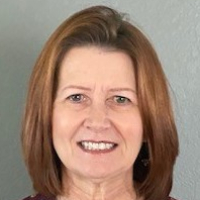
About Debbie
Debbie McCown-Perkins is a Licensed Clinical Social Worker (LCSW) practicing in Colorado. She focuses on helping people who feel stuck by offering steady, plainspoken support and practical steps. Her approach is warm and respectful, and she works to create a space where people can talk without judgment.
She has a Bachelor of Science in Psychology and a Master of Social Work from Walla Walla University. Over 14 years she has supported people with depression, anxiety, mood disorders, ADHD, and stress.
Background and approach
She also helps those coping with trauma, emotional or physical abuse, grief, and challenges tied to adoption or foster care. Debbie uses a mix of methods to match each person’s needs. She draws on cognitive behavioral ideas to spot unhelpful thinking, client-centered listening to follow what matters to you, and acceptance-focused practices to build willingness around hard emotions.
She also uses dialectical skills for intense emotions and EMDR for trauma when that seems helpful. Sessions aim to be practical and focused. Conversations often include skill-building, clearer goals, and small changes to try between meetings.
Parents and caregivers can get concrete tools for managing stress and communication problems. Her style is interactive and collaborative. She helps people set realistic steps, checks progress, and adjusts plans when needed.
The tone is calm, direct, and encouraging, aimed at people who want real change without complicated jargon.
Therapeutic approaches and online care
Acceptance and Commitment Therapy (ACT) focuses on accepting difficult feelings while taking steps toward what matters to you. It helps people who feel stuck by teaching values-based action and simple mindfulness skills. Cognitive Behavioral Therapy (CBT) looks at how thoughts, feelings, and actions connect and teaches practical ways to change unhelpful patterns. It is often useful for anxiety, depression, and mood struggles. Eye Movement Desensitization and Reprocessing (EMDR) is a trauma-focused method that can reduce the intensity of traumatic memories through guided processing when that is appropriate.Finding the right approach is part of the work. The therapist will talk with you about your goals, preferences, and how symptoms show up. Together you will try methods that fit and adjust the plan as needed, so the work stays practical and relevant to your life.
Online therapy offers several practical benefits. Video calls let you see facial cues and use visual materials, while phone sessions can be easier when bandwidth is limited or you prefer not to be on camera. Live chat and text-based messaging are useful for quick check-ins, brief coaching, or keeping momentum between sessions. These options make it simpler to fit therapy into busy schedules and to keep continuity when life gets hectic.
Frequently asked questions
What concerns does she help with?
What is her therapeutic style like?
What experience does she bring?
What are her credentials and where is she located?
Which languages are supported for sessions?
What session formats are available?
How does cost and billing work?
How do I begin working with her?
Specialties and expertise
Top specialties
- Trauma and abuse
- Anger management
- Bipolar disorder
Also works with
- Addictions
- ADHD
- Adoption and foster care
- Aging and geriatric issues
- Blended family issues
- Caregiver issues and stress
- Communication problems
- Compassion fatigue
- Coping with life changes
- Depression
- Divorce and separation
- Domestic violence
- Eating disorders
- Family conflicts
- Family of origin issues
- Family problems
- Grief
- Guilt and shame
- Isolation / loneliness
- Jealousy
- Life purpose
- Mood disorders
- Parenting issues
- Post-traumatic stress
- Relationship issues
- Self esteem
- Self-love
- Stress, Anxiety
- Women's issues
- Workplace issues
- Young adult issues
Therapeutic approaches
- Experience
- 14 years
- Licensed
- Colorado
- Languages
- English