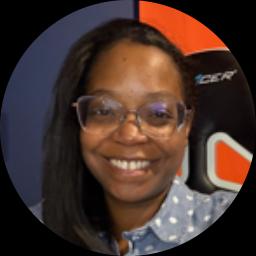
About DaNisha
DaNisha Blackmon is a licensed clinical social worker who helps people manage stress, anxiety, depression, and struggles with self-esteem. She draws on 12 years of practice in Oklahoma to guide clients through relationship strain, grief, and moments of low motivation. DaNisha emphasizes a warm, straightforward approach that centers each person’s own story and strengths.
She treats the first steps in therapy as practical work. Sessions focus on identifying what feels hardest now and building small skills to make daily life easier.
Background and approach
Conversations are down-to-earth and goal-oriented, with attention to communication problems, guilt and shame, and social anxiety. DaNisha also supports people working through loneliness and the challenge of forgiving themselves or others. She helps clients notice patterns that keep them stuck and practices new ways of relating.
The goal is clearer thinking and more consistent, manageable steps forward. Her style is collaborative and respectful. DaNisha invites clients to set the pace and prioritizes strengths they already have.
She explains ideas plainly and checks in often to make sure the work fits each person’s needs. Therapy sessions can include talking through current problems, practicing communication skills, and planning small behavior changes. Over time the focus may shift from coping to building confidence and sustaining progress.
DaNisha holds an Oklahoma LCSW license and works in English.
Approaches that guide online sessions
DaNisha uses practical, evidence-based techniques that focus on present problems and usable skills. One common approach teaches concrete coping skills for anxiety and stress - breathing strategies, grounding exercises, and step-by-step plans to manage worry and tension. This work is helpful when symptoms feel overwhelming and you want tools you can use right away.Another common focus is communication skills work. That includes role-playing new ways to say hard things, practicing boundary-setting, and learning how to repair tense interactions. These techniques aim to improve everyday conversations and reduce repeated conflict patterns.
Finding the right approach is a shared process. The therapist will talk with each person about their goals and try methods that fit their pace and preferences. If something does not feel helpful, adjustments are made so the sessions stay relevant and useful.
Online formats include video calls, phone sessions, live chat, and text-based messaging. Video works well for in-depth conversations and visual cues. Phone sessions can be easier when video is not possible, and live chat or text can fit quick check-ins or people who prefer writing. These options give flexibility to fit therapy into work, family, or school schedules.
Frequently asked questions
What kinds of problems does she help with?
What is her therapeutic style like?
How much clinical experience does she have?
What are her credentials and where is she licensed?
Which languages are sessions offered in?
What session formats are available?
How are costs handled for sessions?
How do I begin working with her?
Specialties and expertise
Top specialties
- Stress, Anxiety
- Relationship issues
- Grief
Also works with
- Experience
- 12 years
- Licensed
- Oklahoma
- Languages
- English